Vietnam at 38°C, Thailand Under Floodwater: Why Is Asia Facing Heat and Water Extremes at the Same Time?
One-sentence takeaway: In a single August, north-central Vietnam pushed past 38°C while northern Thailand's Nan province took over 200mm of rain in one burst, triggering flash floods and landslides. Scorching heat and flooding aren't contradictions — they are two faces of the same disrupted monsoon system, supercharged by record-hot oceans.
Burning on One Side, Drowning on the Other
In late August 2026, weather keywords crowded Google Trends across Asia — Vietnamese- and Thai-language searches spiked simultaneously. The reality behind them was stark:
- Vietnam: Persistent extreme heat in the north-central region, with multiple areas exceeding 38°C;
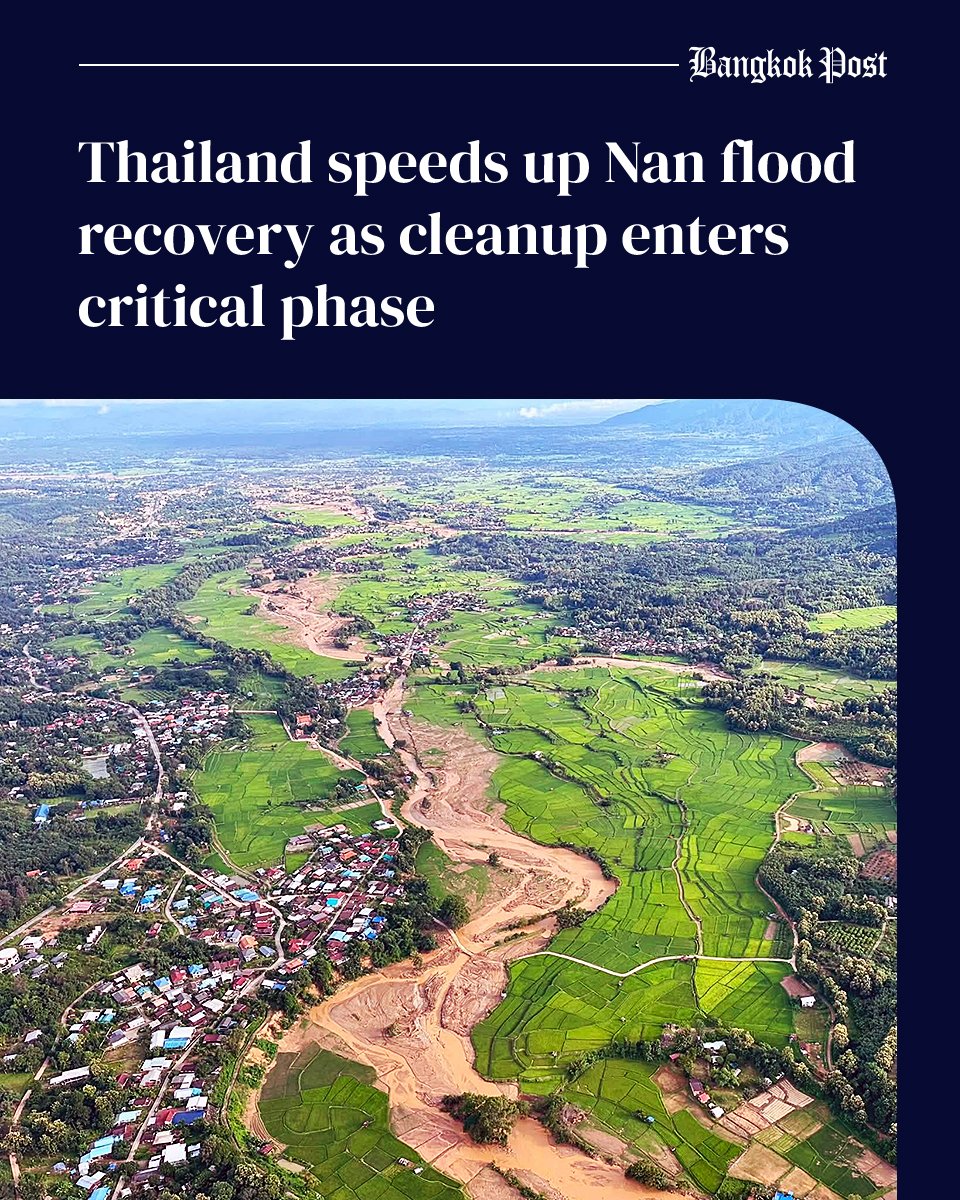
- Thailand: Over 200mm of rain in one event flooded Nan province's roads and homes; authorities declared disaster zones, and a disaster-relief volunteer died while helping with evacuations;
- Southeast Asia wide: Thailand's Phattalung hit an August record of 38.0°C, while Malaysia and Indonesia set new records for hottest overnight minimums above 26°C — nights too hot for the body to cool down are deadlier than daytime highs.

"Hot and Flooded" Are Actually the Same Story
Intuitively, extreme heat and extreme rain feel like opposites. Atmospheric science says otherwise: for every 1°C of warming, air can hold roughly 7% more water vapor.
Here's the mechanism: abnormally warm ocean surfaces (global sea-surface temperatures are currently at their highest on record) evaporate enormous moisture loads; monsoon circulation transports that fuel inland. Where convergence triggers convection, record rainfalls dump out — Thailand-style flooding. Where the rain bands miss, sinking air bakes the ground under relentless sun — Vietnam-style heat waves. Two faces of one coin.
This year also carries an intensifying El Niño signal: scientists warn that a super El Niño is taking shape, and 2027 could challenge for the warmest year ever recorded. The more heat stored in the oceans, the more ammunition extreme events have.
The Monsoon Is Becoming Unstable
The Asian summer monsoon is essentially a giant heat engine: land warms faster than ocean, and the temperature differential drives moisture inland. Global warming is changing how that engine runs:
1. Rain falls harder but less evenly: Totals may not increase much, but precipitation concentrates into short bursts — drought and deluge can alternate within a single season.
2. Season timing drifts: Farmers' planting calendars lose alignment, stressing food systems.
3. Terrain amplifies everything: Mountain valleys in northern Thailand and Vietnam convert intense rainfall into flash floods and landslides within minutes, leaving almost no warning window.

Practical Guidance for Travelers and Migrant Workers
Mobile populations are among the most exposed:
- Check two forecasts before travel: Not just temperature — look at "feels-like" heat index and hourly precipitation. Avoid midday outdoor exertion during red-level heat alerts.
- Flood safety basics: Confirm evacuation routes when staying in mountain valleys; never wade through fast-moving muddy water — just 15 centimeters can knock an adult down.
- Heat illness self-monitoring: Dizziness, nausea, or stopped sweating signal impending heatstroke; in humid conditions rehydrate with electrolytes, not plain water alone.
- Insurance and flexibility: Refundable bookings and weather-covered travel insurance are no longer optional extras in the era of extreme weather.
FAQ
Q1: Why does Asia seem to have so many extreme weather events this year?A: Three factors stack: record-high sea-surface temperatures supply abundant heat and moisture, a strengthening El Niño reshapes circulation patterns, and long-term warming lets the atmosphere carry more water. Extreme heat and extreme rainfall frequency rise together.
Q2: Which is more dangerous — a 38°C heat wave or 200mm of rain?A: Both kill, differently. Heat waves are chronic killers, accumulating casualties through heatstroke and cardiovascular strain — unrelenting hot nights are the key warning sign. Floods are acute killers; escape windows for flash floods and landslides can be under thirty minutes.
Q3: How long will the monsoon rains last?A: The Southwest monsoon typically runs into September or early October across Southeast Asia. In El Niño years, rain-band positions become unstable, so track weekly forecasts rather than seasonal averages.
Q4: How strong is the evidence linking these events to climate change?A: Attribution science is mature: warming has multiplied the probability of such heat waves several-fold to tens-fold, and extreme rainfall intensity has systematically increased. No single event is fully attributable to climate change, but the statistical human fingerprint is clear.
Q5: How should ordinary households prepare?A: Three steps: stock three days of water, food and medication; check whether you live in a floodplain or landslide-prone area; enable official disaster alerts on your phone. In extreme weather, being ready 24 hours early often makes the difference between life and death.
留言
張貼留言