McDonald's Pulled Its Shrimp Burgers One Day After Launch: Why 0.7 ppb of Nitrofuran Residue Shook Two Markets
Bottom line: McDonald's Taiwan launched its "Sea Flavor Shrimp Cutlet Burger" line on August 12, 2026 — and pulled it nationwide just one day later after internal sampling detected 0.7 ppb of nitrofuran metabolites in the imported shrimp cutlets. McDonald's Hong Kong, despite insisting its recipes and batches were different, also suspended sales as a precaution. One shrimp burger rippled across two markets, exposing the gap between food-safety standards in a global supply chain and the science behind banned veterinary drugs.
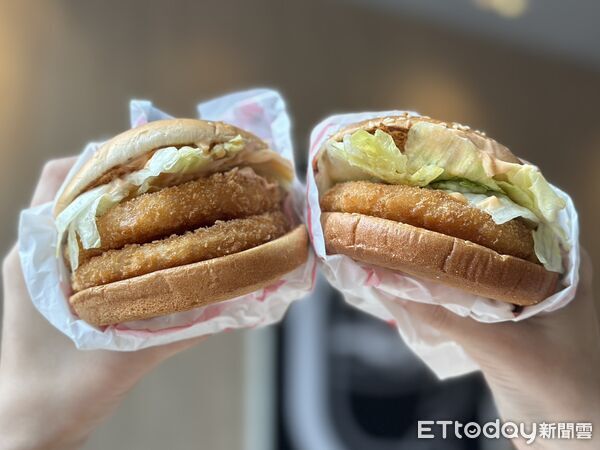
A One-Day Menu Life: This Time It Was the Shrimp
On August 12, McDonald's Taiwan officially launched the "Sea Flavor Shrimp Cutlet Burger" and "Sea Flavor Double-Layered Shrimp Cutlet Burger," a summer seafood push. The very next day (August 13), the company issued an emergency notice: the imported shrimp cutlets used in both burgers had tested positive for nitrofuran and its metabolites (synthetic antibiotics) at 0.7 ppb in an internal batch sampling — failing regulatory food-safety standards. Sales were suspended at all Taiwan restaurants immediately.
Three details stand out. The supplier had provided certificates of passing seafood inspections; it was McDonald's own internal resampling that caught the problem; and 0.7 ppb, measured with modern liquid chromatography-tandem mass spectrometry (LC-MS/MS), is not a "below the noise floor" trace — it falls clearly into the non-compliant range. The company also promised refunds for customers who bought the burgers on August 12, with details to be announced within a week.
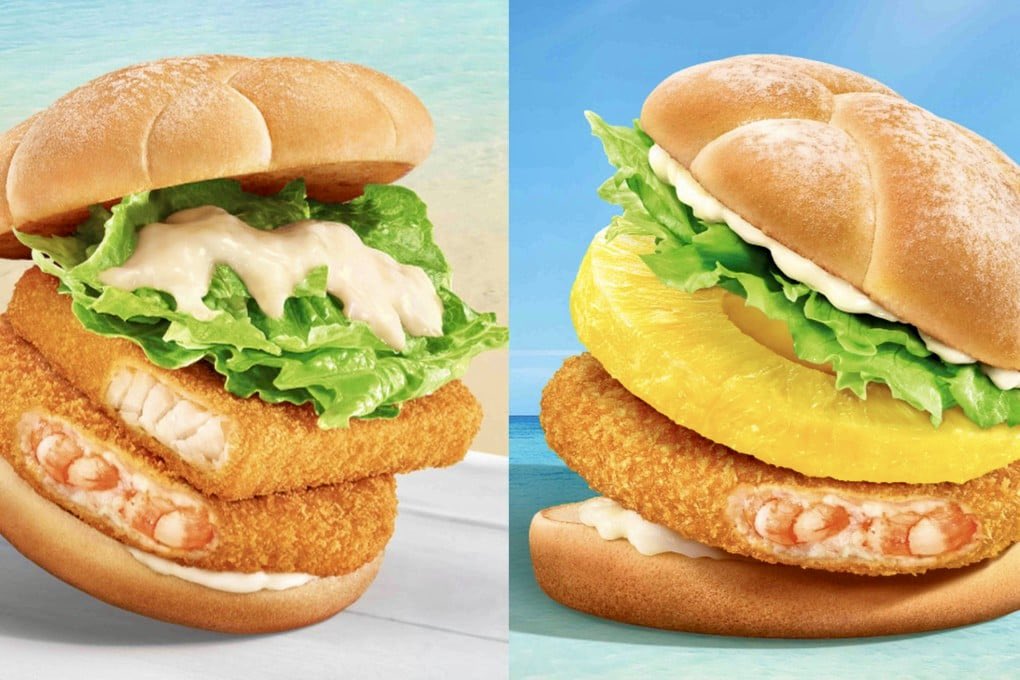
Why Did Hong Kong Get Nervous Too?
The incident crossed market borders quickly. McDonald's Hong Kong stated that its local shrimp burgers used different recipes and batches from Taiwan's — but still suspended sales "as a precaution," and the shrimp burger line briefly disappeared from its app. Hong Kong's Centre for Food Safety had already classified nitrofurans as banned veterinary drugs.
Same brand, two markets, two statements — yet both made the same decision to stop selling. That is the reality of a global food supply chain: raw material sources, production batches, local regulations, and testing standards all differ, but consumer trust is a single ledger. When a brand faces a food-safety scare in one market, "ours is different" is rarely enough to reassure anyone elsewhere. A precautionary suspension becomes the safest public-relations and risk-management move.
What Is Nitrofuran, and Why Is It Banned Worldwide?
Nitrofurans are a class of synthetic broad-spectrum antibiotics once widely used to treat bacterial infections in livestock and aquaculture. Representative drugs include furazolidone, furaltadone, and nitrofurazone.
Two problems made regulators ban them:
- Metabolite residues: These drugs metabolize rapidly inside animals, but their metabolites bind to tissue proteins and form stable "bound residues." The parent drug disappears quickly; the metabolites persist in meat for a long time.
- Cancer and mutation concerns: Animal studies have linked nitrofurans and their metabolites to carcinogenic and genotoxic risks. The EU banned them for food animals in the 1990s, and the United States, Japan, China, Taiwan, Hong Kong, and others followed — with a "zero tolerance / not detected" regulatory standard.

Because the parent drug breaks down so quickly, testing regimes do not look for the drug itself — they target its metabolite markers (such as AOZ, AMOZ, SEM, and AHD). The "0.7 ppb of nitrofuran and its metabolites" detected in the shrimp cutlets refers to these markers being clearly captured by the instruments — evidence that the shrimp were likely exposed to these drugs during farming.
0.7 ppb Sounds Tiny. Why Can't We Just Ignore It?
0.7 ppb is seven parts per hundred billion — an extremely low concentration by mass. But the logic for banned veterinary drugs is not "how much is toxic to eat"; it is "this substance should not be in the food chain at all":
1. Residues are accumulation signals: A single detection means medication was used somewhere in farming or the supply chain — not an isolated contamination event.
2. The standard is zero tolerance: Once a substance is banned, any detected residue is a violation, regardless of dose.
3. Risk is uncertain: The long-term human health effects of these metabolites are not fully characterized, so regulators err on the side of caution.
In other words, 0.7 ppb forced the brand to pull the product not because the cutlet was "poisonous," but because it proved a gap in supply-chain control — for a global chain, that is the more serious problem.
A Consumer's Playbook for Food-Safety Scares
- Read the official notice, not the headline: Confirm the specific product, the substance, the measured value, and the official standard before reacting to words like "carcinogen" or "toxic burger."
- Keep your receipts: Refund and recall programs usually require purchase records — save invoices and app order screenshots.
- Understand "not detected": Banned substances and "maximum residue limits" are two different regimes. The former is a violation at any level; the latter allows residues below a set limit.
- Trust is the scarcest resource: A brand's reaction speed and transparency often tell you more than the dose number in any single incident.
FAQ
Q1: What is nitrofuran, and why is it a banned veterinary drug?Nitrofurans are a class of synthetic broad-spectrum antibiotics once used to treat bacterial infections in livestock and aquaculture. Because their metabolites raise carcinogenic and genotoxic concerns, the EU, US, Japan, and many Asian countries have banned them for food animals under a "not detected" standard.
Q2: What does 0.7 ppb mean? Isn't it too tiny to matter?0.7 ppb is about seven parts per hundred billion — extremely low by concentration. But banned substances operate under a different logic than residue limits: they should not be in the food chain at all, so any detection is a violation regardless of dose.
Q3: Why did the test find "metabolites" instead of nitrofuran itself?Nitrofurans metabolize rapidly in animals and bind to tissue proteins, forming stable bound residues. Testing therefore targets metabolite markers (AOZ, AMOZ, SEM, AHD). Detecting a metabolite means the drug was used at some point.
Q4: If Hong Kong's recipe and batches were different, why did it suspend sales too?Precautionary suspension is standard risk management for global brands. Even when the local batch tests clean, consumer trust is shared across markets — proactively pulling the product and re-testing is the most direct way to stabilize confidence.
Q5: I already bought a shrimp burger. What should I do?Per the announcement, customers who purchased on August 12 (launch day) will receive refunds, with details announced within a week. Keep your receipt or app order record and watch official channels for updates.
留言
張貼留言