跳到主要內容

四大雲端巨頭一年豪擲 4,000 億美元:AI 資本支出是泡沫還是豪賭?

一句話結論: 四大 CSP 一年 4,000 億美元的資本支出是一場豪賭,賭注不是算力本身,而是 AI 應用能不能把這批算力「賣出去」——折舊啟動的那一刻,每一顆閒置的 GPU 都會變成損益表上的黑洞。
AI 資本支出與房市泡沫速度對比圖

2026 年,全球資本市場最響亮的數字不是哪家公司的營收,而是四大雲端巨頭——微軟、亞馬遜、Google 與 Meta——合計超過 4,000 億美元的年度資本支出指引。Meta 喊出約 1,140 至 1,190 億美元,微軟 FY2026 上看 900 億美元以上,亞馬遜 2025 年就已突破 1,000 億美元。若把 Alphabet 也算進來,光是這四家公司 2026 年的資本支出總和,就超過了台灣一整年的政府總預算。

資本支出 ≠ 營收:會計上的「甜蜜陷阱」
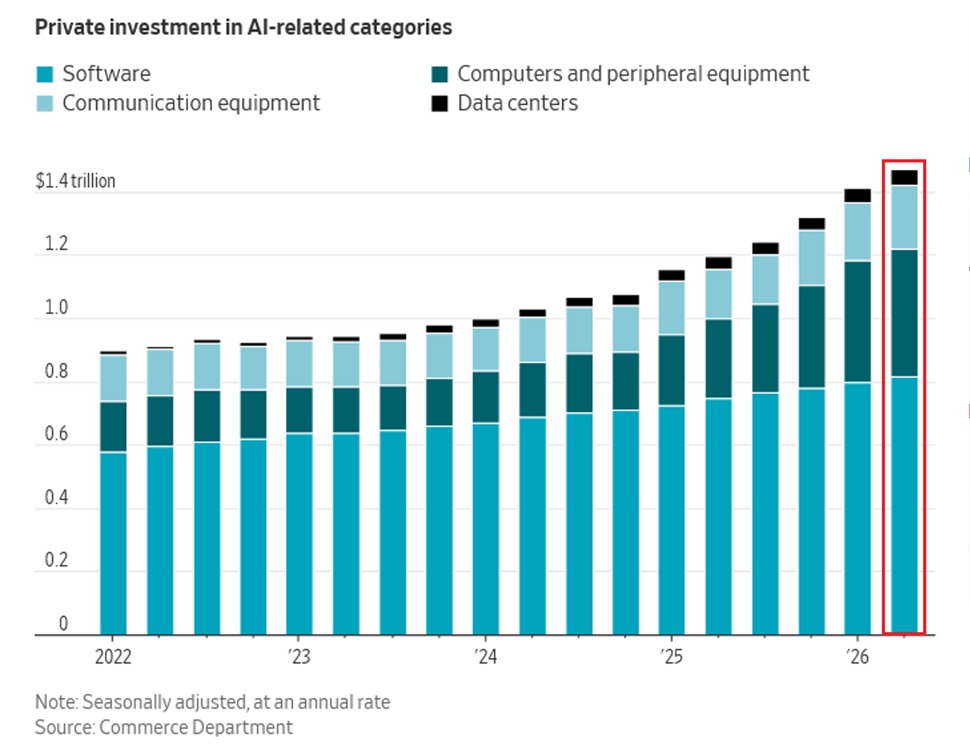
美國 AI 投資對 GDP 貢獻圖

很多人誤以為資本支出大增等於公司很賺錢,但會計邏輯恰恰相反。資本支出(CapEx)買來的是伺服器、GPU、資料中心與電力設備,這些資產會在未來 3 到 7 年內逐年折舊。以輝達 H100 為例,一台伺服器數百萬美元,折舊年限通常只有 5 年——也就是說,資料中心落成的那一刻,巨額折舊費用就開始啃噬每季的獲利。

Apollo 首席經濟學家 Torsten Slok 的圖表點出更驚人的事實:資料中心資本支出佔美國 GDP 比重,將從 2025 年的 1.4% 快速拉升至 2027 年的 3.1%,每年增加約 0.85 個百分點。這個速度是 2000 年代房市榮景最快階段的將近兩倍。Kobeissi Letter 的統計也顯示,美國私人企業 AI 相關投資在 2026 年第二季年增 25%,創下 1.5 兆美元年化新高。

泡沫論 vs 變現派:各自的核心論據
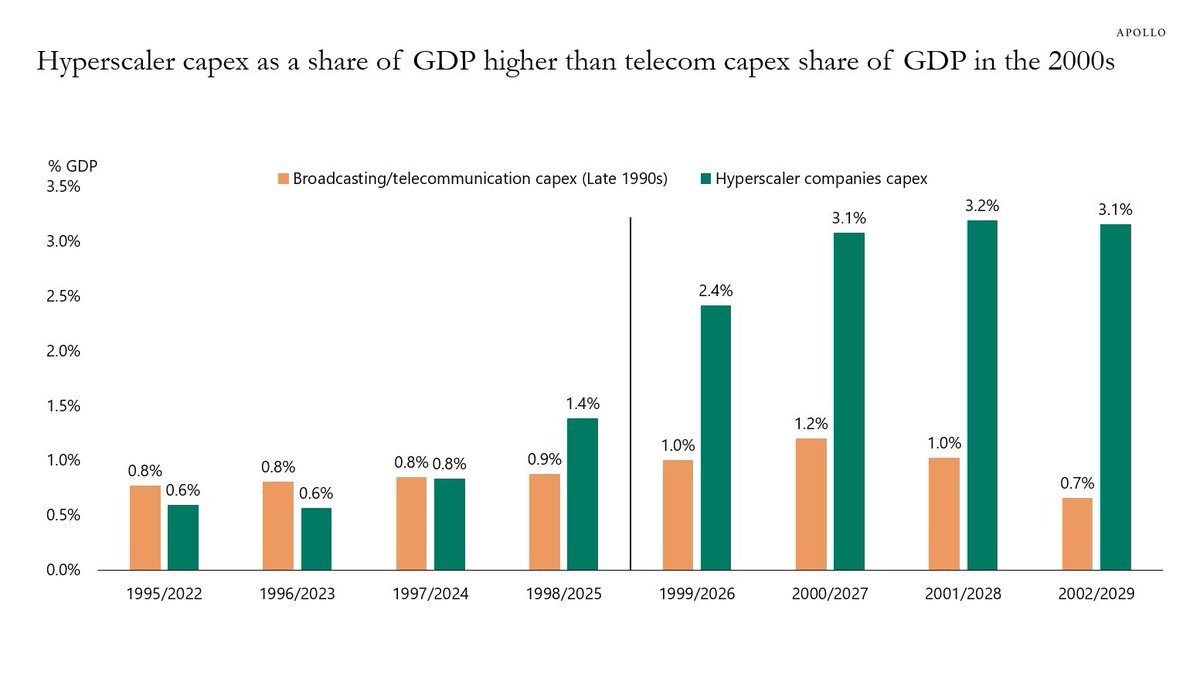
AI 投資成為美國經濟成長骨幹 泡沫論的邏輯很直接:算力過剩。目前全球 AI 資料中心規劃的電力需求,已經超過多個國家電網的總供電能力;一旦推理(inference)需求的成長速度跟不上訓練(training)的擴張,閒置算力就是純粹的燒錢。歷史也站在他們那邊——2000 年電信業資本支出崩盤時,龍頭公司股價腰斬再腰斬。 變現派則認為這次不同:AI 已經從「訓練競賽」進入「應用變現」階段。雲端成長率連續數季加速、企業訂閱 AI 服務的滲透率攀升、推理收入在雲端營收中的占比持續上升——這些都是資本支出能轉化為經常性收入的證據。況且四大 CSP 手中現金流充沛,即使 4,000 億美元全數投入,也不至於動搖財務體質。

投資人該盯的三個先行指標

與其猜測泡沫何時破裂,不如追蹤三個可量化的先行指標:

1. 雲端成長率:三大公有雲的營收年增率是否維持在 20% 以上,是需求端最直接的體檢表。

2. 推理收入占比:當推理(按用量付費)收入佔雲端營收比重持續提升,代表算力真正被「用出去」而非「囤起來」。

3. 自由現金流:資本支出大增期間,自由現金流還能維持正成長的公司,才是真正有護城河的那一個。
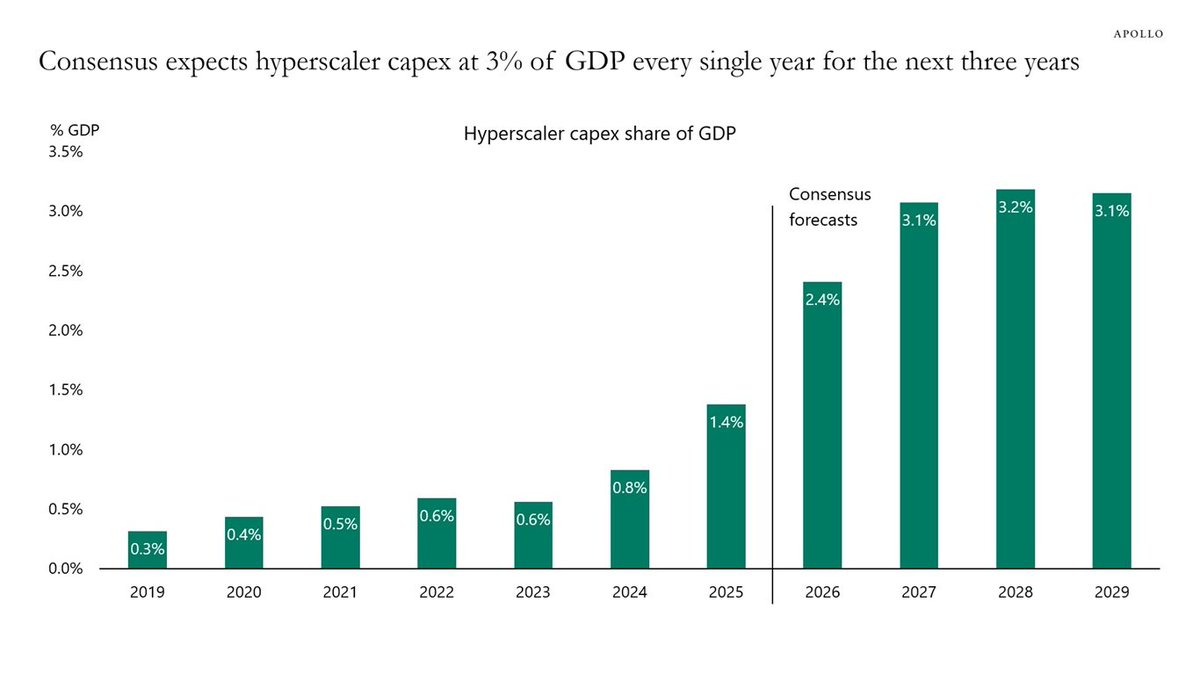
Big Tech 資本支出創新高

結論

資本支出本身不是泡沫,「資本支出卻換不來收入」才是。四大雲端巨頭把 4,000 億美元押在 AI 應用會大爆發的假設上——如果這個假設成立,現在的高折舊會變成未來的高毛利;如果不成立,2027 年之後的損益表會非常難看。對投資人來說,與其賭方向,不如盯住雲端成長率與自由現金流這兩條生命線。

常見問題 (FAQ)

Q1:為什麼資本支出大增反而可能壓低股價?

因為資本支出不會立刻變成營收,卻會立刻變成折舊費用。市場看到的是「花大錢、短期內回不了本」,若營收成長跟不上,每股盈餘就會被稀釋,股價自然承壓。

Q2:哪些先行指標能提前看出 AI 投資是否過熱?

三個最關鍵:雲端服務營收年增率是否失速、推理收入佔比是否停滯、自由現金流是否轉負。三者同時惡化,就是警訊。

Q3:四大雲端巨頭 2026 年資本支出各是多少?

Meta 約 1,140 至 1,190 億美元,微軟 FY2026 約 900 億美元以上,亞馬遜 2025 年已突破 1,000 億美元,加上 Alphabet,四家合計超過 4,000 億美元。

Q4:AI 資料中心會不會重演 2000 年電信泡沫?

關鍵差異在於:當年電信業是「先蓋再說」,如今 AI 算力已開始產生真實收入(雲端推理、企業訂閱)。只要變現速度能跟上擴張速度,就不算泡沫;反之,若推理需求長期停滯,確實可能重演。

Q5:一般投資人該如何參與這個趨勢?

透過追蹤四大 CSP 的 ETF 或指數型商品分散風險,比單押個股更穩。同時定期檢視上述三個先行指標,作為加碼或減碼的依據。

留言

這個網誌中的熱門文章

Intel 14A Defect Density Is Its Best Since 22nm — Is Intel Back in the Leading-Edge Race?

One-sentence takeaway: Intel's 14A process is cutting defect density faster than any node since 22nm, and customers have moved from watching to asking about capacity — if risk production stays on track for H2 2027, it's the strongest signal yet that Intel is back in the leading-edge game. "We have not seen this performance since 22nm." When Intel CFO David Zinsner dropped that line at the Deutsche Bank 2026 technology conference, the semiconductor world took notice. 14A — Intel's first 1.4nm-class node — is backing up the company's comeback story with data, not slogans. What is 14A, and why it matters 14A is Intel's most advanced planned process node, a "1.4nm-class" technology targeting high-volume manufacturing in 2028. It packs three headline technologies: second-generation RibbonFET gate-all-around transistors, PowerDirect backside power delivery, and High-NA EUV lithography. In short, it's the most technically complex node Intel ...

Google's Antitrust Remedies Enter Deep Water: Breakup, AI Mode, and the Browser

Bottom line: The U.S. DOJ's remedies phase against Google is redefining the commercial rules of "search" — from Chrome's fate to AI distribution and the ad business, every step could reshape global tech. Google's search monopoly case has been called "the most important antitrust case of the internet era." In August 2024, a federal judge ruled Google violated antitrust law; now the remedies phase is in deep water. The DOJ's proposals include breaking up the ad business, divesting Chrome, and ending default search agreements — each step ripples through the entire tech industry. Timeline: from monopoly ruling to remedies In August 2024, the D.C. federal court ruled that Google violated the Sherman Act by paying billions annually to make Apple, Samsung, and others set Google as the default search engine. The remedies trial runs through 2026, with DOJ options including: Breaking up the ad business: Google's ad tech stack is accused of stifl...

Why Is NVIDIA Spending Billions to Buy Up America's "Dark Fiber"?

One-line conclusion: NVIDIA is reportedly spending $5–10 billion to acquire long-haul "dark fiber" networks across the United States, signaling that the AI infrastructure race is shifting from raw compute power to the networks that connect it. NVIDIA is reportedly acquiring long-haul "dark fiber" networks across the United States, with total capacity estimated at 7.6 Pbps and a price tag between $5 billion and $10 billion. The news sent optical communications stocks surging globally: Taiwan's optical module makers jumped on July 22, and three more hit the daily limit on July 23. Many now read this as the moment the AI arms race moved from "who has more GPUs" to "who owns the network." What Is Dark Fiber, and Why Buy Instead of Lease? Dark fiber refers to fiber-optic cable that has already been laid but has no transmission equipment installed and carries no optical signal . The fiber cores sit "dark" and dormant, waiting to...