跳到主要內容

「血糖」登上熱搜:逾 20 萬糖尿病人正面臨「糖尿腎」威脅,你的早餐蛋白質夠嗎?

一句話結論: 控糖不是糖尿病患者的專利——糖化血色素達標不等於腎臟安全,而早餐那一口蛋白質,就是最便宜的血糖保險;先蛋白質、後碳水,比少吃一餐更有效。

10 種會讓血糖快速飆升的食物——白麵包、汽水、白飯、即食麵、穀片、果汁、糕點、馬鈴薯、甜優格、糖果,搭配蛋白質或纖維可緩和血糖波動

「血糖」近日登上搜尋熱榜,背後是兩則健康警訊:香港糖尿聯會推算逾 20 萬糖尿病患者正面臨「糖尿腎」威脅——血糖數字「達標」不代表腎臟安然無恙;另一項調查則指出約 7 成上班族早餐蛋白質不足,而早餐吃什麼,直接決定你一整天血糖的穩定度。

「血糖達標」為什麼不等於「腎臟安全」?

這是很多人最大的誤解。臨床上評估血糖控制常用「糖化血色素」(HbA1c),它反映過去 2–3 個月的平均血糖。但糖尿腎(diabetic nephropathy)的發展,除了長期血糖,還受血壓、血脂、吸菸與基因多重因素影響。即使 HbA1c 控制在 7% 以下,若血壓控制不佳或已出現微量白蛋白尿(albuminuria),腎功能仍可能悄悄惡化。

腎臟受損的早期訊號,往往藏在尿液裡的微量白蛋白——尿液檢查是唯一能及早抓到的工具,卻常被忽略。研究也顯示,血管張力素系統抑制劑(RAAS inhibitors,常見的降血壓藥)在第二型糖尿病患者身上能有效預防白蛋白尿的發生,但前提是及早發現、及早介入

第二型糖尿病患使用 RAAS 抑制劑可預防白蛋白尿發生——及早篩檢與介入是保護腎臟的關鍵

早餐蛋白質不足,如何讓血糖「震盪」一整天?

「7 成上班族早餐蛋白質不足」的調查戳中現代飲食的通病:早餐吃的是麵包、三明治、含糖飲料——高碳水、低蛋白、低纖維。這樣的早餐會讓血糖快速飆升,胰島素大量分泌後血糖又急速回落,於是上午 10 點你開始疲倦、易怒、想找零食——這不是意志力問題,是血糖在坐雲霄飛車。

營養科學給出的解法非常具體:

  • 先蛋白質、後碳水:用餐順序會改變血糖曲線。先吃蛋白質與蔬菜,再吃碳水化合物,能顯著減緩飯後血糖高峰。
  • 早餐補足 20–30 公克蛋白質:雞蛋、無糖希臘優格、豆漿、乳清蛋白飲都是方便來源。研究指出高蛋白早餐能穩定整日血糖與食慾。
  • 用全穀取代精緻澱粉:全穀麵包、燕麥的升糖指數(GI)較低,搭配蛋白質與堅果,飽足感與血糖穩定度都更好。
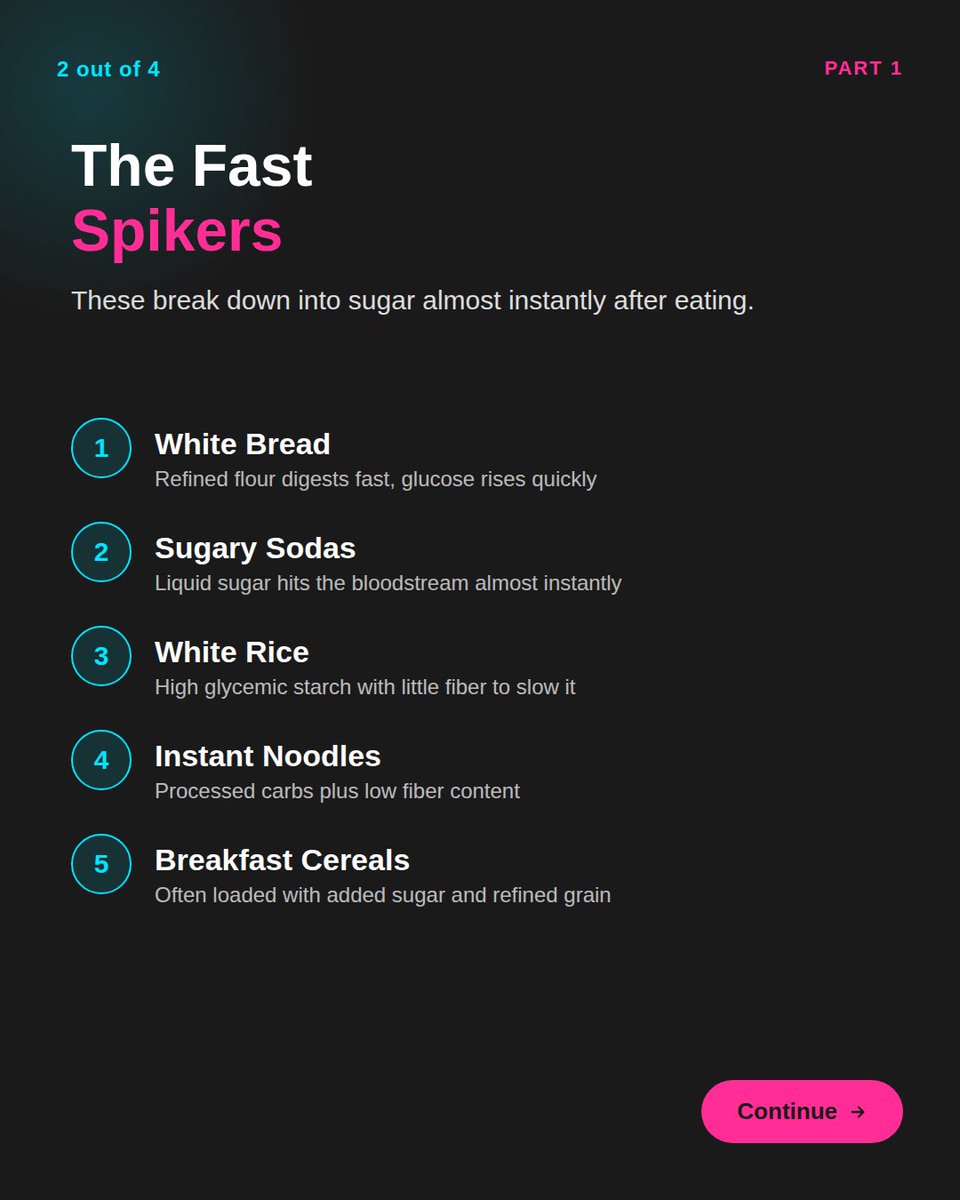
蛋白質與纖維能緩和血糖飆升——早餐的組成決定你一整天的血糖穩定度

誰該開始注意血糖?不只是糖尿病患者

「空腹血糖正常」常給人虛假安全感。許多人處於糖尿病前期(prediabetes)——空腹血糖略高但未達糖尿病標準,胰島素阻抗已經悄悄發生。加上近年連續血糖監測(CGM)普及,更多人開始用即時數據看到「一碗白飯讓血糖飆多高」的震撼畫面,控糖意識從糖尿病患者擴散到一般健康族群。

糖尿病前期與血糖控制——胰島素阻抗的發生早於糖尿病診斷,及早調整飲食是逆轉的關鍵

三個立刻能做的控糖行動

1. 每年驗一次 HbA1c+尿液微量白蛋白:不只量空腹血糖——空腹正常不代表腎臟與長期血糖沒問題,這兩項才是「早期」指標。

2. 把早餐改造成「蛋白質優先」:一杯無糖豆漿+一顆蛋+一份水果,成本低、執行容易,血糖穩定度立刻有感。

3. 飯後走 10 分鐘:餐後輕度運動能幫助肌肉攝取葡萄糖,是免費又有效的「血糖緩衝墊」。

常見問題 (FAQ)

Q1:空腹血糖正常就代表沒問題嗎?

不一定。空腹血糖只能反映單一時間點,糖化血色素(HbA1c)才能反映 2–3 個月平均血糖;而腎臟健康還要看尿液微量白蛋白。三者合併檢查才是完整評估。

Q2:早餐怎麼吃才能穩血糖?

把握「蛋白質優先、全穀取代精緻澱粉、先蛋白後碳水」三原則,早餐蛋白質目標 20–30 公克(例如 2 顆蛋+無糖豆漿),並減少含糖飲料。

Q3:CGM 連續血糖監測值得自費嗎?

對想了解「哪種食物讓自己血糖飆升」的人很有價值——戴 2 週就能建立個人化的飲食地圖。但對一般健康者非必要,先從飲食與運動調整開始更務實。

Q4:糖尿腎可以逆轉嗎?

早期(微量白蛋白尿階段)透過嚴格控糖、控壓與藥物介入,有機會延緩甚至部分逆轉;但一旦進入明顯蛋白尿或腎功能下降階段,目標轉為「減緩惡化」,因此及早篩檢是關鍵。

Q5:糖尿病前期需要吃藥嗎?

多數情況先從生活型態介入——減重 5–7%、每週 150 分鐘運動、調整飲食結構,即可顯著降低進展為糖尿病的風險;醫師會依個人風險決定是否輔以藥物。

留言

這個網誌中的熱門文章

Intel 14A Defect Density Is Its Best Since 22nm — Is Intel Back in the Leading-Edge Race?

One-sentence takeaway: Intel's 14A process is cutting defect density faster than any node since 22nm, and customers have moved from watching to asking about capacity — if risk production stays on track for H2 2027, it's the strongest signal yet that Intel is back in the leading-edge game. "We have not seen this performance since 22nm." When Intel CFO David Zinsner dropped that line at the Deutsche Bank 2026 technology conference, the semiconductor world took notice. 14A — Intel's first 1.4nm-class node — is backing up the company's comeback story with data, not slogans. What is 14A, and why it matters 14A is Intel's most advanced planned process node, a "1.4nm-class" technology targeting high-volume manufacturing in 2028. It packs three headline technologies: second-generation RibbonFET gate-all-around transistors, PowerDirect backside power delivery, and High-NA EUV lithography. In short, it's the most technically complex node Intel ...

Google's Antitrust Remedies Enter Deep Water: Breakup, AI Mode, and the Browser

Bottom line: The U.S. DOJ's remedies phase against Google is redefining the commercial rules of "search" — from Chrome's fate to AI distribution and the ad business, every step could reshape global tech. Google's search monopoly case has been called "the most important antitrust case of the internet era." In August 2024, a federal judge ruled Google violated antitrust law; now the remedies phase is in deep water. The DOJ's proposals include breaking up the ad business, divesting Chrome, and ending default search agreements — each step ripples through the entire tech industry. Timeline: from monopoly ruling to remedies In August 2024, the D.C. federal court ruled that Google violated the Sherman Act by paying billions annually to make Apple, Samsung, and others set Google as the default search engine. The remedies trial runs through 2026, with DOJ options including: Breaking up the ad business: Google's ad tech stack is accused of stifl...

Why Is NVIDIA Spending Billions to Buy Up America's "Dark Fiber"?

One-line conclusion: NVIDIA is reportedly spending $5–10 billion to acquire long-haul "dark fiber" networks across the United States, signaling that the AI infrastructure race is shifting from raw compute power to the networks that connect it. NVIDIA is reportedly acquiring long-haul "dark fiber" networks across the United States, with total capacity estimated at 7.6 Pbps and a price tag between $5 billion and $10 billion. The news sent optical communications stocks surging globally: Taiwan's optical module makers jumped on July 22, and three more hit the daily limit on July 23. Many now read this as the moment the AI arms race moved from "who has more GPUs" to "who owns the network." What Is Dark Fiber, and Why Buy Instead of Lease? Dark fiber refers to fiber-optic cable that has already been laid but has no transmission equipment installed and carries no optical signal . The fiber cores sit "dark" and dormant, waiting to...