One-line conclusion: Tesla has publicly shared photos of its first-generation Optimus production line at Fremont — from 2 prototypes in 2022 to over 1,000 units deployed by early 2026, humanoid robots are moving from laboratory to mass production.
In July 2026, Tesla released photos of its first-generation Optimus humanoid robot production line at the Fremont factory. Shared by Sawyer Merritt on X, the images show rows of robots being assembled on the production floor. According to Tesla data, Optimus has grown from two prototypes in 2022 to over 1,000 units deployed internally at Fremont by early 2026.

This production line is a critical milestone for Optimus commercialization. Tesla is demolishing the original Model S and Model X assembly lines at Fremont to free up floor space for high-volume Optimus production. Elon Musk described this as "probably the fastest industrial scale-up since World War II in America." The planned annual production capacity targets up to one million units.

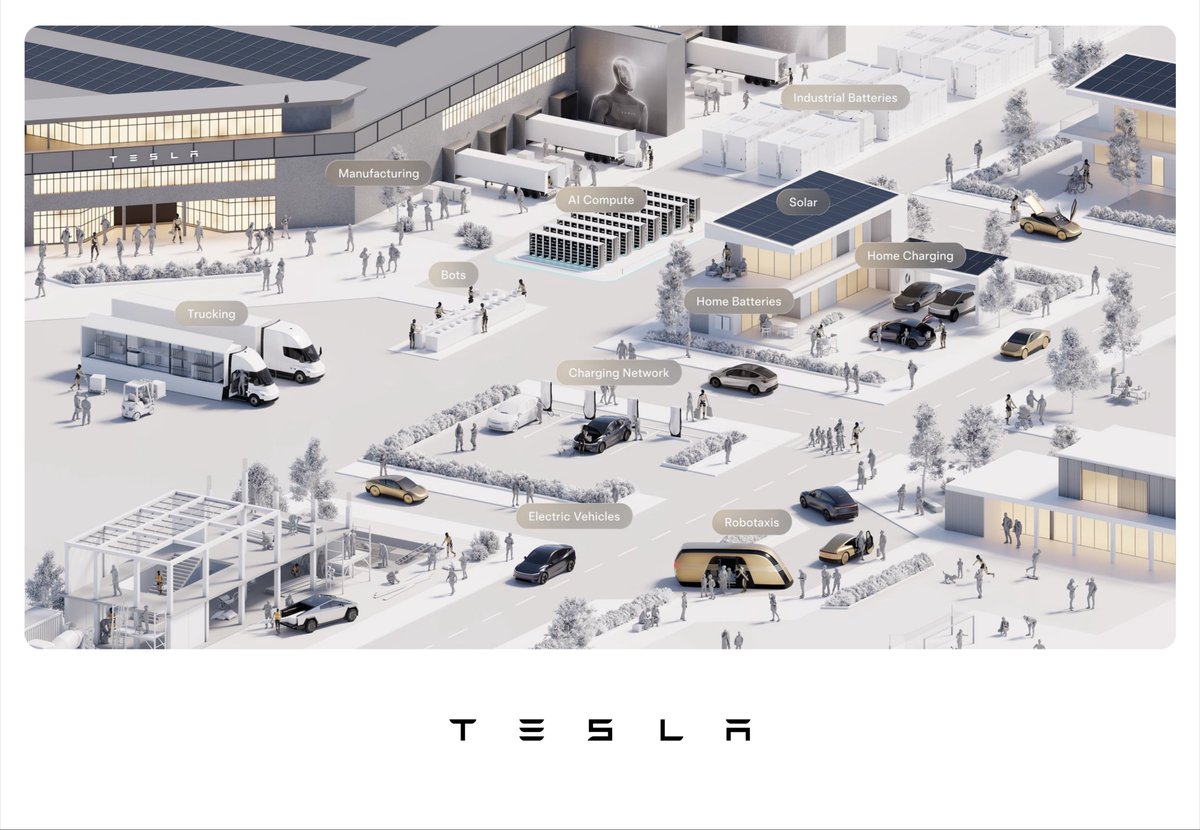
From a technical perspective, Optimus integrates three of Tesla's core strengths: AI vision and neural networks (from Autopilot/FSD development), precision manufacturing (from EV production experience), and energy management systems (from Megapack/Powerwall battery technology). This combination gives Tesla a unique vertically integrated advantage in the humanoid robot race.
The humanoid robot market is approaching a tipping point. According to Tesla's roadmap, Optimus will initially handle factory tasks — material handling, assembly, and inspection. By 2027-2028, it could enter early commercial applications such as logistics warehousing and manufacturing support.
Cost is the critical variable for adoption. Musk has stated a target price of $20,000 to $25,000 per unit — roughly the price of a budget EV. At that price point, the potential market expands from industrial to household: cleaning, cooking, elderly care — the imagination runs wild.
Mass production challenges remain significant. Current-generation Optimus still lags far behind human dexterity and fine motor control. Battery life, walking stability, and cost reduction are ongoing technical hurdles. Competitors include Boston Dynamics (Atlas), Figure AI, and China's Unitree — the race is heating up.
For investors, Optimus production signals Tesla's transformation from an "EV company" into a "robot + energy + AI" platform. This could represent a larger market than EVs themselves.
Frequently Asked Questions (FAQ)
Q: Is Tesla Optimus in mass production yet?A: First-generation Optimus is in small-scale production at Fremont, with over 1,000 units deployed for internal factory work. Large-scale production lines are under construction.
Q: How much will Optimus cost?A: Target price is $20,000-$25,000 per unit, roughly the cost of a budget EV. Early industrial versions may be priced higher.
Q: What can Optimus do?A: Currently performs repetitive physical tasks like material handling, assembly, and inspection in factories. Future applications include logistics, manufacturing, and home services.
Q: When can I buy Optimus for home use?A: Early commercial applications expected by 2027-2028. Home versions will take longer, depending on cost reduction progress.
Q: What advantage does Tesla have over competitors?A: Tesla vertically integrates AI vision (FSD), precision manufacturing, and battery management — capabilities no pure robotics company can match.
#Tesla #Optimus #HumanoidRobot #RobotProduction #AI
留言
張貼留言