一句話結論: Amazon 意外上架 Google Pixel 11 全系列四款機型(標準版、Pro、Pro XL、Pro Fold),完整價格與規格全面曝光——Tensor G6 台積電 2nm 晶片、全新 Pixel Glow 設計語言,256GB 起跳的儲存空間標配,今年 Android 旗艦大戰提前開打。
意外的來源:Amazon 洩密事件
7 月 13 日,Amazon 在美國網站上意外發布了 Google Pixel 11 全系列的官方商品頁面。這些頁面很快被下架,但敏銳的科技觀察者早已截圖保存——完整的產品圖片、顏色選擇、價格區間全部曝光。
Twitter 上這則消息迅速累積了 75,000 次以上觀看、近千讚,多家科技媒體如 Mashable、Digital Trends、9to5Google 先後跟進報導,確認這些清單看起來非常真實。
這次洩密之所以特別值得關注,是因為 Amazon 通常只會在產品正式發布前幾天才上架商品頁面——而 Google 預計在 8 月 12 日(全球)和 8 月 13 日(印度) 正式發表 Pixel 11 系列。距離發表還有整整一個月就出現如此完整的洩密,實屬罕見。
Tensor G6:台積電 2nm 製程的關鍵躍進
Pixel 11 全系列的核心都是 Google 與三星共同開發的 Tensor G6 處理器。相較於前幾代 Tensor 晶片一直被批評效能不如 Qualcomm Snapdragon 系列,Tensor G6 有一個決定性的變化:採用了台積電(TSMC)的 2nm 製程。
這意味著什麼?
- 效能大幅提升:從 Pixel 10 的三星 3nm GAA 製程升級到 TSMC 2nm,理論上效能提升約 15-20%,功耗降低 30% 以上
- AI 運算能力飛躍:Tensor 晶片一直以 AI/ML 運算為核心賣點,TSMC 的先進製程讓 NPU 可以塞入更多電晶體
- 散熱改善:長期以來的 Pixel 過熱問題有望在這一代獲得顯著改善
搭配 Tensor G6 的還有 Titan M3 安全晶片 和 MediaTek M90 數據機,後者將改善 Pixel 長期被詬病的蜂巢網路連線品質。
四款機型完整比價
今年的 Pixel 11 系列覆蓋了從 $899 到 $2249 的驚人價格區間。以下是各型號的完整價格:
Pixel 11(標準版)
- 價格: $899(256GB) / $1019(512GB)
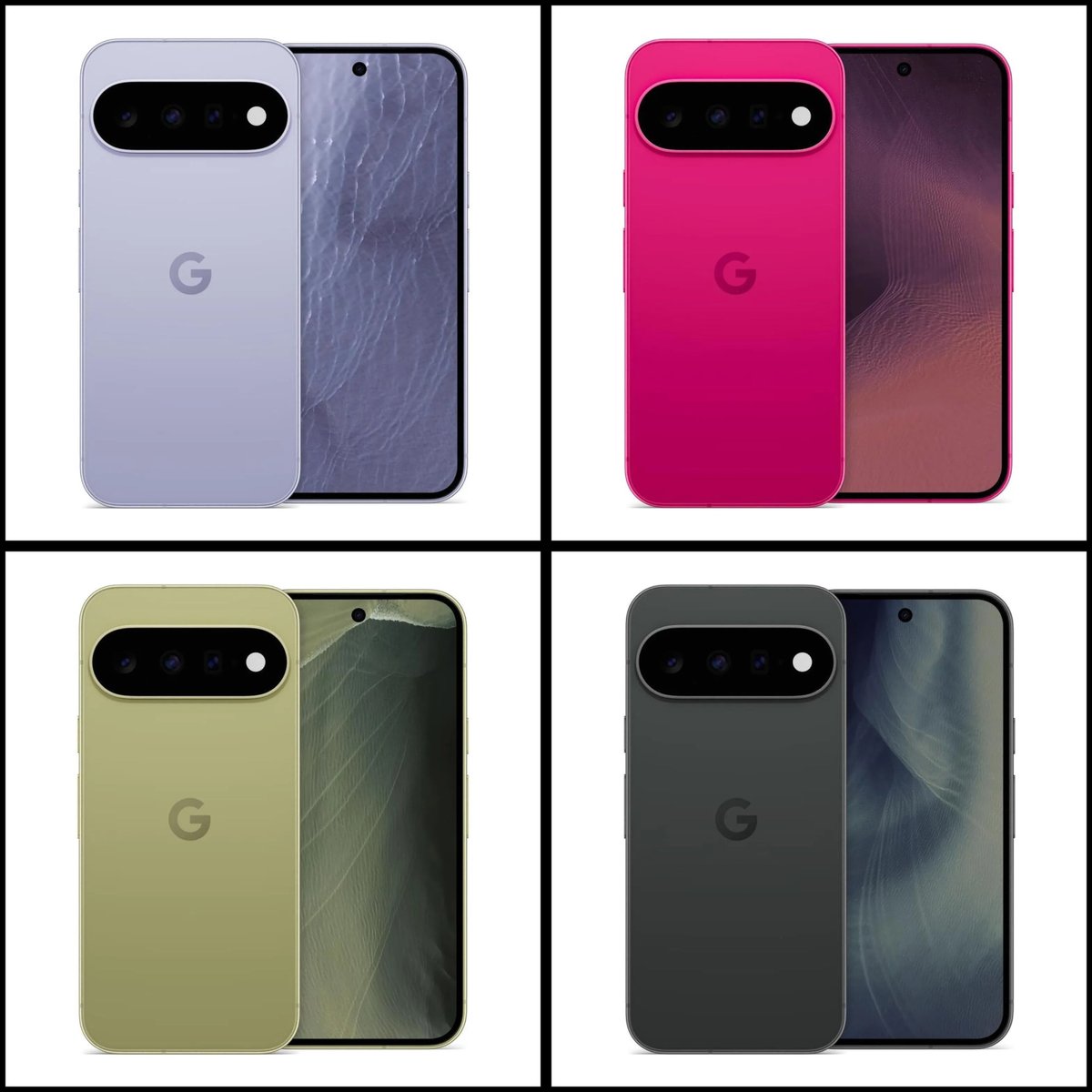
- 顏色: Frost(霜白)、Pistachio(開心果綠)、Hibiscus(芙蓉紅)、Obsidian(曜石黑)
- 螢幕: 6.3 吋 FHD+ 120Hz OLED,2200 nit 峰值亮度
- 相機: 50MP 主鏡頭 + 48MP 超廣角 + 12MP 長焦
- 電池: ~5000mAh,35W 有線快充,Qi2 無線充電
- 基礎儲存: 256GB(128GB 版本正式取消)
Pixel 11 Pro
- 價格: $1099(256GB) / $1219(512GB) / $1499(1TB)
- 顏色: Olive(橄欖綠)、Obsidian(曜石黑)、Canyon(峽谷棕)、Fog(霧灰)
- 螢幕: 6.3 吋 120Hz LTPO OLED(Samsung M16 面板)
- 相機: 50MP 主鏡頭 + 48MP IMX858 超廣角 + 48MP IMX858 5x 潛望式長焦
- 記憶體: 最高 16GB RAM
- 電池: ~5000mAh,45W 有線快充,Qi2 無線充電
Pixel 11 Pro XL
- 價格: $1299(256GB) / $1419(512GB) / $1649(1TB)
- 顏色: 同 Pro(Olive、Obsidian、Canyon、Fog)
- 螢幕: 6.8 吋 120Hz LTPO OLED(Samsung M16 面板)
- 相機: 與 Pro 完全相同
- 記憶體: 最高 16GB RAM
- 電池: ~5100mAh,45W 有線快充,Qi2 無線充電
Pixel 11 Pro Fold
- 價格: $1899(256GB) / $2019(512GB) / $2249(1TB)
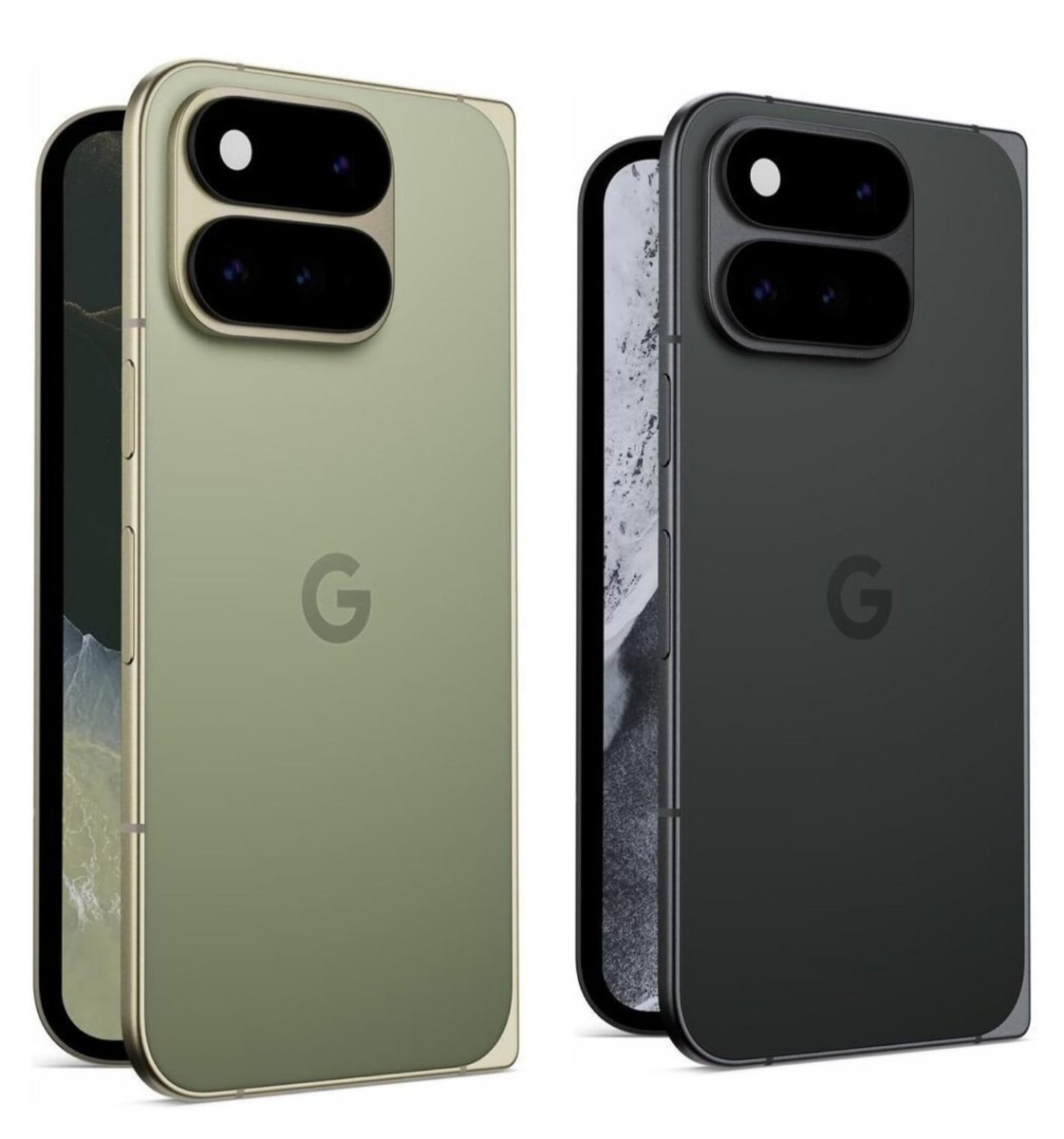
- 顏色: Obsidian(曜石黑)、Olive(橄欖綠)
- 螢幕: 6.82 吋折疊 OLED
- 相機: 改良主鏡頭 + 超廣角 + 長焦(全新相機模組設計)
- 電池: ~4800mAh,~30W 有線快充
- 防水: IP68 等級
- 設計: 比 Pixel 10 Pro Fold 更薄,全新相機模組造型

Pixel Glow:Google 的全新設計語言
洩密資訊中多次提到了 Pixel Glow——這似乎是 Google 為 Pixel 11 系列引入的全新視覺設計元素。從目前流出的渲染圖來看,Pixel 11 Pro 系列的相機模組仍然維持標誌性的橫條設計,但長焦鏡頭從原本的四方形改為圓形感應器。
背部材質選擇方面,Pixel 11 標準版提供更活潑的色系(開心果綠、芙蓉紅),而 Pro 系列則走沉穩路線(橄欖綠、峽谷棕、霧灰)。整體設計語言比前代更為簡潔,邊框也更薄。
競爭態勢:這一代 Pixel 的定位是什麼?
2026 年的旗艦手機市場空前激烈:
- iPhone 17 系列(已於 2025 年 9 月發布)正在生命週期中段
- Samsung Galaxy S27 預計 2027 年初發表
- OnePlus 13、Xiaomi 15 系列等 Android 旗艦持續進逼
在這樣的背景下,Google 選擇了一次推出四款機型,從 $899 到 $2249 覆蓋所有價位帶。標準版 Pixel 11 直接取消了 128GB 選項(256GB 起跳),而 Pro Fold 定價 $1899 起,直接對標 Samsung Galaxy Z Fold 7 和 OnePlus Open 2。
Tensor G6 的 TSMC 2nm 製程將是決定性的差異點——如果效能確實追上甚至超越 Snapdragon 8 Gen 4,Pixel 的效能短板將正式成為歷史。


結論:誰該買哪一台?
如果你是 AI 與 Google 生態系的重度使用者——Gemini 整合、更好的臉部解鎖、Tensor 的 AI 功能——Pixel 11 系列仍然是最懂你的選擇。
- 預算優先: Pixel 11 標準版($899)已經有 256GB 和 Tensor G6,性價比最高
- 拍照控: Pixel 11 Pro($1099)的 5x 潛望式長焦和 LTPO 螢幕值得升級
- 大螢幕愛好者: Pro XL($1299)多花 $200 換 6.8 吋螢幕和更大電池
- 折疊嚐鮮者: Pro Fold($1899)比前代更薄、防水 IP68,但價格不菲
距離 8 月 12 日正式發表還有一個月——但 Amazon 已經不小心幫我們先開箱了。
常見問題 (FAQ)
Q: Pixel 11 什麼時候上市?A: Google 預計在 2026 年 8 月 12 日全球發表,8 月 13 日在印度上市。台灣和香港的上市時間通常晚 1-2 週。
Q: Tensor G6 比 Snapdragon 8 Gen 4 強嗎?A: 目前還沒有獨立的跑分數據。但 Tensor G6 採用 TSMC 2nm 製程,理論上有機會與 Snapdragon 8 Gen 4 競爭。實際表現需等評測。
Q: Pixel 11 值得從 Pixel 10 升級嗎?A: 如果你是 Pixel 10 用戶,Tensor G6 的效能提升和 TSMC 製程帶來的續航改善是最大升級點。但如果你對目前的效能還算滿意,可以等 Pixel 12。
Q: Pixel 11 支援 Qi2 磁吸充電嗎?A: 是的,全系列支援 Qi2 無線充電標準,可以使用磁吸充電配件。
Q: 128GB 版本真的取消了?A: 根據洩密資料,Pixel 11 全系列從 256GB 起跳,128GB 選項正式結束。
Q: Pixel Glow 是什麼?A: Pixel Glow 是 Google 為 Pixel 11 系列引入的全新設計元素,包含 RGB 燈光效果,但具體功能尚未公布。
Q: 台灣買得到 Pixel 11 Pro Fold 嗎?A: Google Pixel 摺疊機在台灣市場的上市計畫尚未公布。過去 Pixel Fold 系列在台灣並未正式引進,水貨市場可能先行。
Q: Pixel 11 的充電速度有提升嗎?A: Pro 系列提升到 45W 有線快充(前代 30W),標準版為 35W。但仍遠低於中國品牌的 100W+ 快充。
標籤: #GooglePixel11 #Pixel11Pro #TensorG6 #Pixel11ProFold #智慧型手機 #Android #Google #科技新聞 #旗艦手機
留言
張貼留言