The bottom line: The FDA has issued a recall for select batches of Cetirizine Hydrochloride (antihistamine) due to production line cross-contamination risks. For patients with severe allergies, undeclared allergens in these medications could trigger life-threatening anaphylactic reactions.
What Happened?
In July 2026, the FDA announced a recall of specific batches of Cetirizine Hydrochloride oral solution and tablets due to potential cross-contamination. Cetirizine — sold under brand names like Zyrtec in the US — is one of the most common over-the-counter antihistamines worldwide, used to treat hay fever, sneezing, runny nose, and itchy eyes.
The recall affects products sold through major US retailers including CVS, Walgreens, and Walmart.
 Illustration of allergic rhinitis — the condition these medications treat. Source: Wikimedia Commons
What Is Cross-Contamination?
Cross-contamination is one of the most dangerous quality issues in pharmaceutical manufacturing. It occurs when a production line switches between different drugs without thorough cleaning, leaving trace residues of the previous drug — or worse, protein-based allergens — in the next batch.
For most people, trace cross-contamination causes no noticeable symptoms. But for patients with severe drug or food allergies, these undeclared residues can trigger IgE-mediated immediate hypersensitivity reactions, including:
- Urticaria: Widespread skin rashes and itching
- Angioedema: Swelling of the lips, eyelids, or throat
- Anaphylaxis: Sudden blood pressure drop and breathing difficulty — potentially fatal without epinephrine
This is why the FDA classified portions of this recall as Class II and, in some cases, Class I — the highest risk level.
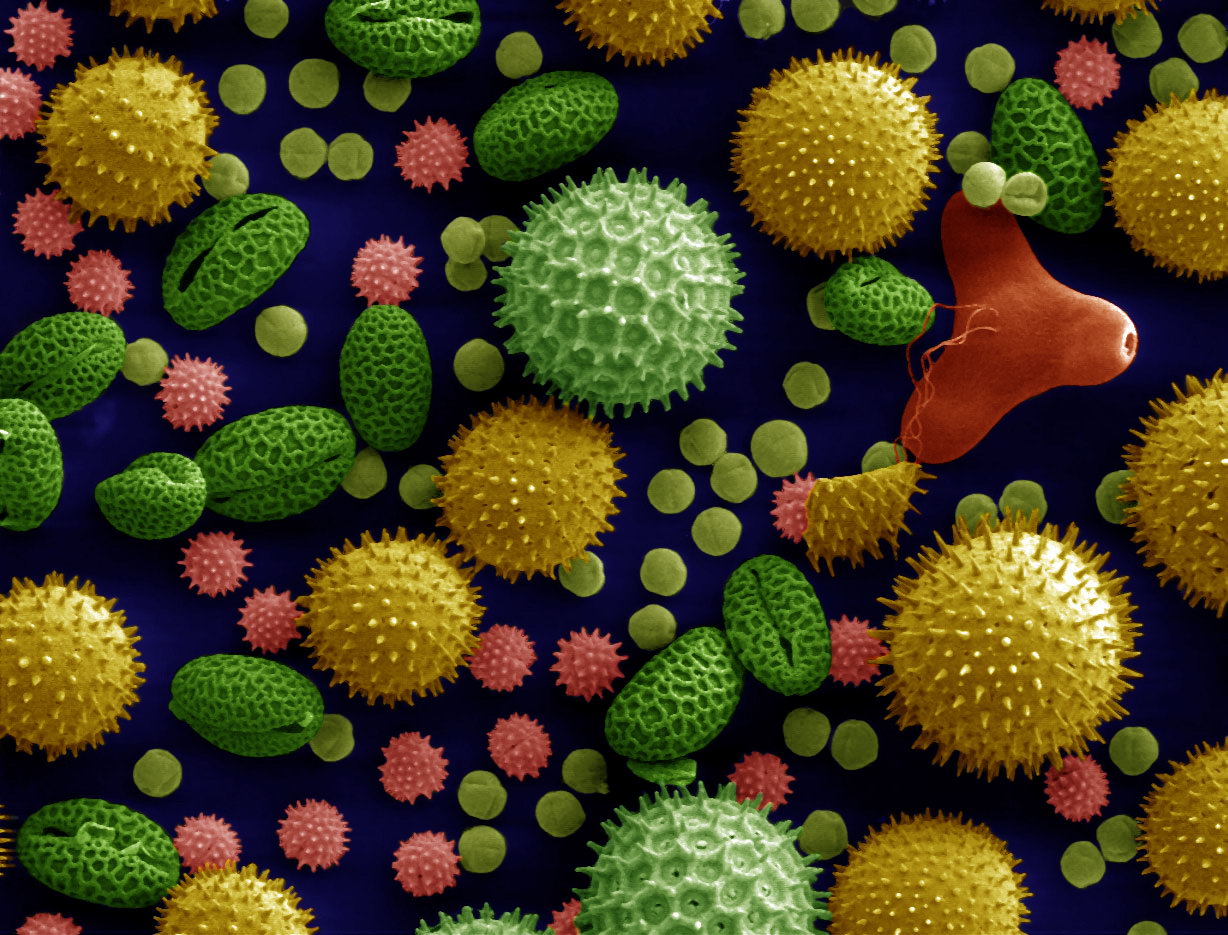 Pollen grains, one of the most common triggers for seasonal allergies. Source: Wikimedia Commons
The Shared Production Line Problem
Drug cross-contamination isn't new, but its frequency is concerning.
The root cause: many generic drug manufacturers use shared production lines to cut costs. A single line can produce five, ten, or even twenty different oral medications. Each line change requires thorough "cleaning validation," but execution quality varies widely.
Common contamination sources include:
1. Protein allergens (most dangerous): If the previous batch contained lactose, gelatin, nut derivatives, or antibiotics, trace residues can be life-threatening for allergic patients.
2. Active Pharmaceutical Ingredient (API) crossover: Residual API from one drug contaminates the next.
3. Microbial contamination: Incomplete cleaning allows bacterial or fungal growth.
An FDA report from 2025 noted that approximately 12% of generic drug manufacturing facilities had received warning letters for cleaning validation issues in the past three years.
How to Check Your Medication
If you or a family member takes Cetirizine:
1. Check the label: Find the Lot Number, usually printed on the bottle label or packaging.
2. Consult the FDA recall list: Visit fda.gov/safety/recalls for the latest batch numbers.
3. Ask your pharmacist: Most chain pharmacies offer free recall batch lookup services.
 Historical medication packaging — an example of pharmaceutical product labeling. Source: Wikimedia Commons
What Consumers Should Do
This recall is a reminder that even common OTC drugs carry manufacturing quality risks. Consider these habits:
- Keep medication packaging for at least a week after purchase
- Subscribe to FDA or local health authority recall alerts
- If you have severe allergies, favor single-ingredient medications over combination products
FAQ
Q1: What is Cetirizine?
Cetirizine Hydrochloride is a second-generation antihistamine used for allergy symptoms including hay fever, sneezing, runny nose, and itchy eyes. It's sold as Zyrtec in the US and various generics worldwide.
Q2: Why was it recalled?
Select batches were recalled due to cross-contamination risk — residues from previous production runs may have mixed into Cetirizine products.
Q3: How dangerous is cross-contamination?
Low risk for most people, but for those with severe allergies, trace allergens can trigger reactions ranging from hives to anaphylaxis.
Q4: Which brands are affected?
Primarily generic/store-brand versions sold through US retailers including CVS, Walgreens, and Walmart.
Q5: Are products outside the US affected?
Other countries have not yet issued recalls. Check with your local health authority or pharmacy.
Q6: How do I know if my medication is affected?
Check the Lot Number on the label and compare with the FDA recall list. Your pharmacist can also help.
Q7: What if I took a contaminated dose?
If no allergic symptoms appear, no action needed. If you experience rash, swelling, or breathing difficulty, seek immediate medical attention.
Q8: How can I avoid future issues?
Buy from reputable pharmacies, keep packaging for batch tracking, and subscribe to recall alerts.
Information compiled from FDA announcements and public drug safety data. Not medical advice — consult your doctor or pharmacist for medication concerns.
留言
張貼留言