2026年7月,北半球進入盛夏。歐美學生紛紛放假,但氣候科學家卻沒有假期——他們正忙於記錄又一輪破紀錄的高溫。
一、暑假 vs 熱浪:兩條時間線的交會
每年六月末,全球學校陸續放暑假。學生們期待兩個月的自由時光——旅行、夏令營、打工、追劇。但在同一個時間點,另一群人的「假期」卻剛剛開始:氣候科學家。
2026年7月初,歐洲經歷了史上最嚴重的六月熱浪。法國氣溫飆升至43.8°C,德國、英國、法國的道路瀝青軟化、鐵路軌道膨脹變形。美國華盛頓特區在7月4日獨立紀念日創下102°F(39°C)的新紀錄——這是當地自1935年有紀錄以來最热的7月4日。費城同樣以103°F追平了1901年的歷史最高點。
這不是巧合。根據世界天氣歸因(World Weather Attribution)的快速分析,這類高溫高濕的天氣事件,在沒有化石燃料造成的人為暖化下,「幾乎不可能發生」。
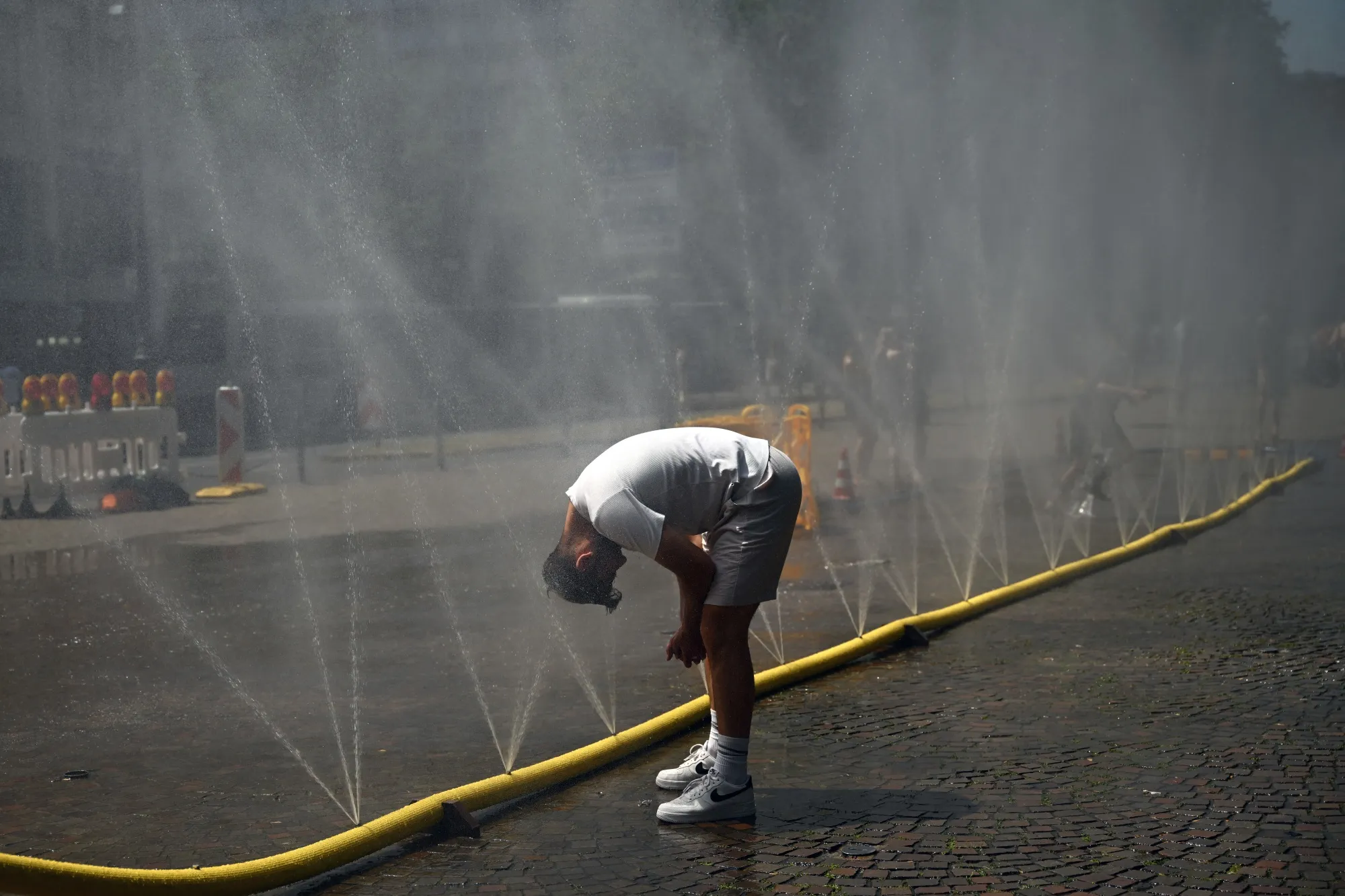 圖說:2026年6月底,德國科隆一名男子在熱浪中用水管噴水降溫。攝影師:Ina Fassbender / Getty Images
二、氣候科學的最新發現:暖化速度超乎預期
2.1 地球暖化加速了
彭博社2026年7月6日發表的深度分析指出,全球暖化的速度正在加快。關鍵數據:
- 2023、2024、2025年是有紀錄以來最熱的三年
- 2023年9月,全球月均溫比此前紀錄高出0.5°C——這是史上最大的單月增幅
- 衛星測量顯示,地球吸收的太陽輻射與向外輻射的熱量之間的「能量不平衡」在近兩年翻倍
- 目前全球均溫已比工業革命前高出約1.4°C
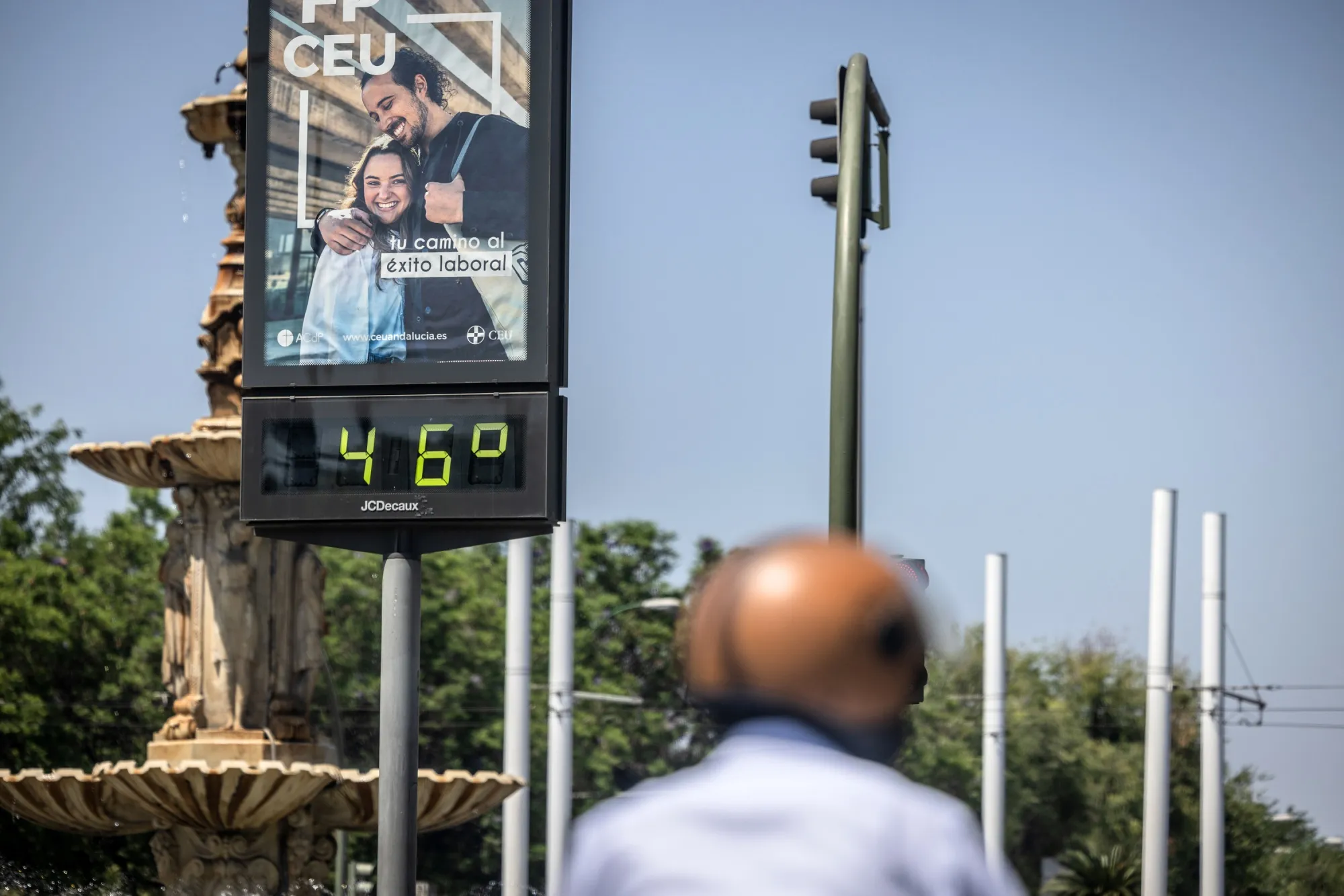 圖說:2023年7月,西班牙塞維利亞一個數位顯示器顯示46°C高溫。2023、2024、2025是有紀錄以來最熱的三年。攝影師:Angel Garcia / Bloomberg
2.2 極端天氣不再是「極端」
愛丁堡大學氣候變化教授 Tim Lenton 指出:「我們開始看到在空間規模和magnitude上都令人驚訝的極端事件。」
具體數據:
- 2016至2024年間,創紀錄高溫的發生次數是沒有暖化情況下的四倍
- 破紀錄暴雨發生的頻率比預期高出40%
- 破紀錄乾旱則多出10%
- 同時,破紀錄寒冷的天氣正在走向滅絕
 圖說:歐洲城市廣場上的公共噴霧降溫系統,市民在細雨中避暑。2026年7月,歐洲經歷史上最嚴重的六月熱浪。來源:XHNews / Twitter
2.3 El Niño 雪上加霜
2026年6月,NOAA正式宣布厄爾尼諾現象出現。這股海洋-大氣循環的強烈變化,將與人為暖化叠加,可能在短期內將全球均溫推高至接近2°C的臨界點。
「單月突破2°C閾值是可能的,」JPMorgan Chase氣候諮詢部門負責人 Sarah Kapnick 表示。
三、學生放假,但學校面臨嚴峻挑戰
英國政府教育部門在2026年7月初發布了新指引:面對日益頻繁的熱浪,學校應該如何在保持開放的同時保護學生安全。
3.1 學校的應對措施
根據英國政府指引,學校在熱浪期間的調整包括:
- 放寬校服規定,允許穿著更輕薄的衣物
- 要求家長讓孩子自備可重複使用的水瓶和遮陽帽
- 將課程移至教室較涼爽的區域
- 利用有遮蔭的戶外空間進行教學
- 重新安排體育活動時間
- 調整教室佈局以改善通風
 圖說:野火後的森林殘景——焦黑的土地和縷縷煙霧,提醒人們極端高溫與野火之間的緊密聯繫。2026年夏季,歐洲多地遭遇嚴重乾旱和野火威脅。來源:XHNews / Twitter
3.2 英國政府的立場
英國政府的指導原則是:學校應盡量保持開放。理由很實際——兒童在家中的溫度不一定比學校低,而學校有受過訓練的工作人員可以主動關注學生、確保飲水充足,並在需要時調整日常安排。
但這項政策背後藏著一個更大的問題:隨著熱浪變得更加頻繁和強烈,單純靠學校調整校規已經不夠了。
四、歐洲的致命選擇:為什麼不裝冷氣?
一項引人注目的研究揭示了一個令人意外的事實:歐洲是全球人均熱死亡人數最高的地區,原因不是氣候,而是文化。
4.1 數據說話
- 歐洲家庭冷氣普及率僅約19%
- 北美約76%,日本超過90%
- 2022年夏季,歐洲估計有約68,000人因高溫死亡
- 2023年:約50,800人
- 2024年:約62,800人
4.2 政策 vs 生命
歐洲對冷氣的抗拒並非偶然——它源於一種「能源減縮」意識形態,將每一度電都視為罪惡而非改善人類生活的工具。英國的政策幾乎「禁止」新建建築安裝冷氣,德國和法國也對空調設備設置了嚴格限制。
研究指出,如果歐洲的冷氣普及率達到北美水平,2022年夏季可以避免約26,000人死亡(範圍約22,000至31,000人)。
五、科學家的警告:我們已經在未來了
達特茅斯學院氣候科學家 Justin Mankin 說:「那個更溫暖的世界——風險無處不在、隨時可能发生的世界——那個過渡期,我們現在就在其中。」
帝國理工學院氣候科學家 Friederike Otto(世界天氣歸因聯合創始人)補充:「極端事件遠遠超出我們作為專家預期的範圍。重要的是,它們也超出了我們作為地面普通人的預期。」
5.1 冰變海
格陵蘭島每年穩定流失2640億噸冰。南极洲的思韋茨冰川(Thwaites Glacier,又稱「末日冰川」)融化速度比1990年代快了五倍。它本身就貢獻了全球海平面上升的4%。
5.2 太陽能正在反轉局勢
好消息是,可再生能源的成本正在快速下降。2025年,太陽能佔全球新增電力需求的75%。彭博新能源財經預測,到2032年,太阳能將成為全球最大的電力來源。
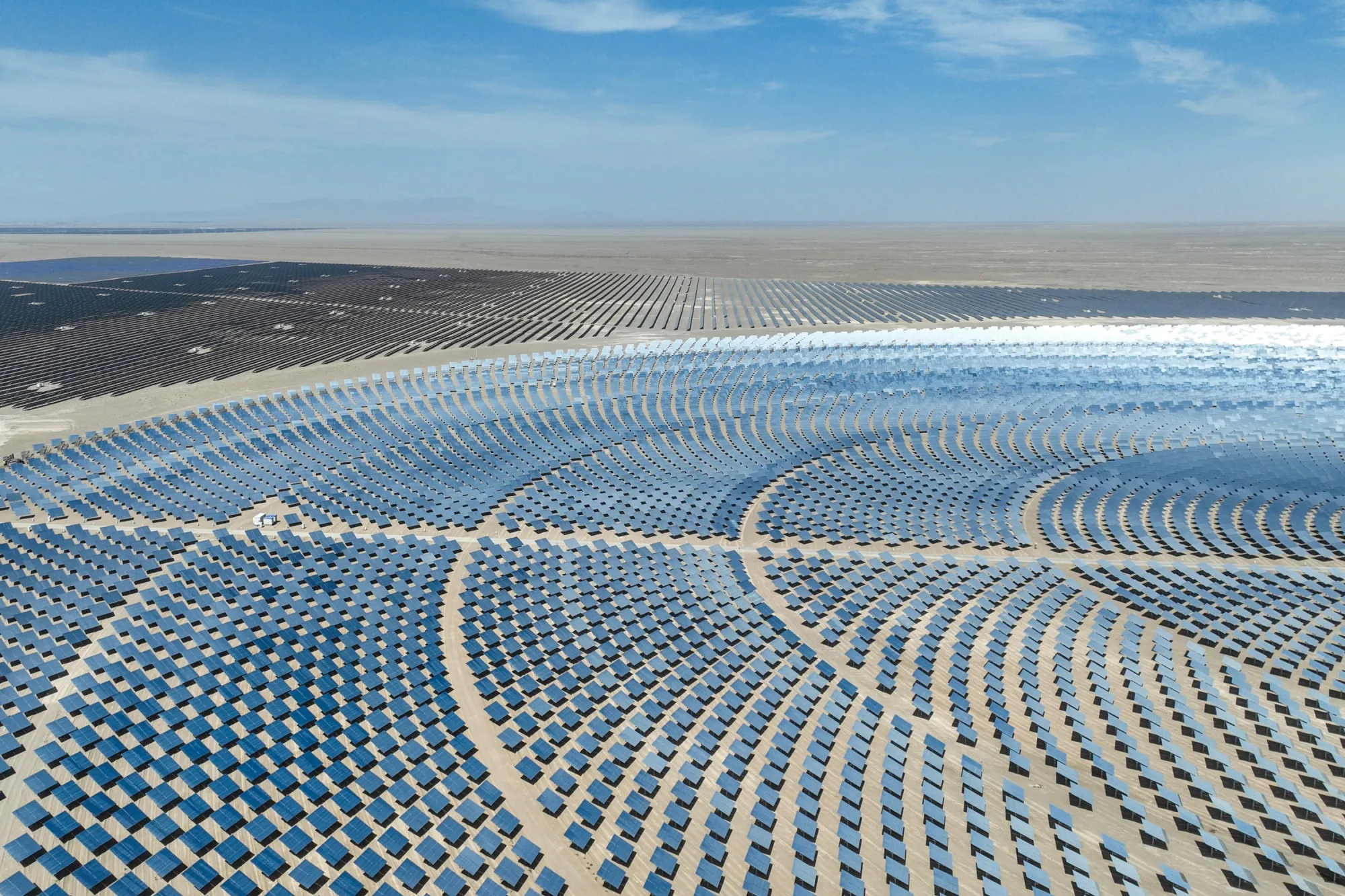 圖說:2026年6月,中國甘肅酒泉戈壁沙漠中的大型太陽能專案。清潔能源正在快速發展,但速度是否趕得上暖化?攝影師:CN-STR / Getty
六、結語:暑假可以結束,暖化不會
學生的暑假通常從六月末或七月初開始,到八月末或九月初結束。但地球的「暑假期間」——高溫、乾旱、野火、洪水——正在延長。
科學家的共識很明確:
1. 暖化已經發生,未來幾十年的極端天氣無法避免
2. 適應與減緩並重——從學校的防暑措施到全球能源轉型
3. 時間窗口正在收窄——但太陽能等清潔技術的普及提供了希望
下一個暑假,當孩子們在空調房間裡玩電子遊戲時,也許他們會問:「為什麼以前的夏天沒有這麼熱?」
答案是:因為我們知道問題在哪裡,但行動總是比預測慢半拍。
參考資料:
- Bloomberg Graphics, "Extreme Heat Isn't the Only Climate Impact Shocking Scientists," July 6, 2026
- Foreign Policy, "Doomsday Climate Scenarios Were Wrong. That Doesn't Help Europe," June 30, 2026
- UK Government DfE, "Hot weather and your child's school: what you need to know," July 2026
- Copernicus Climate Change Service, June 2026 temperature data
- World Weather Attribution analysis
- NOAA El Niño declaration, June 2026
- Nature, "Record-breaking extremes in a warming climate," Fischer (2025 review)
留言
張貼留言