跳到主要內容

藍牙耳機的進化是不是到了盡頭?還有多少新科技的進步空間?

標籤: 藍牙耳機、LE Audio、Auracast、Bluetooth 6.0、空間音訊、Nothing Ear 3a、2026
Nothing Ear 系列耳機的透明設計語言

如果你覺得藍牙耳機這幾年好像沒什麼大突破,那可能是錯覺。實際上,無線音訊領域正在經歷一場由底層協議驅動、AI 輔助攻堅的深刻變革。只是這些變化不像「螢幕更大、相機更多」那樣一眼可見。

藍牙協議本身還在加速進化

過去我們談藍牙耳機,最常提到的就是音質和續航。但真正的變革來自藍牙核心規格的迭代。

Bluetooth 5.2 引入的 LE Audio 是近年來最重要的底層升級。它帶來了全新的 LC3 編解碼器,在相同音質下比傳統 SBC 節省高達 50% 的帶寬,同時將延遲從 100-200ms 壓縮到 20-30ms。這意味著什麼?無線耳機的音質可以更接近有線,而遊戲延遲幾乎感覺不到。

緊接著是 Auracast 廣播音訊——這項功能讓你的耳機可以直接接收機場廣播、體育場現場音訊、甚至電影院的同步音軌,完全不需要配對。三星已經在 Galaxy Buds2 Pro 上通過軟體更新支援了 Auracast,LG、JBL 也陸續跟進。The Verge 最近的一篇報導指出,儘管技術成熟,但廠商在行銷上對 Auracast 相當冷淡——「科技界正在錯過這個多年來最令人興奮的藍牙功能」。

Auracast 廣播音訊標誌 — 讓耳機直接接收公共場合音訊

Bluetooth 6.0 已經正式發布,帶來了兩大新功能:

  • 通道響聲(Channel Sounding):通過相位差測量實現厘米級的精確距離定位,相當於為藍牙設備加入了「測距儀」
  • 方向尋找(Direction Finding):支援天線切換,可以精確判斷信號來源方向,配合手機查找配件功能,找耳機再也不用靠聽聲音了

Nothing Ear 3a:Bluetooth 6.0 的首批消費級產品

就在 2026 年 7 月 6 日,爆料達人 @evleaks 曝光了 Nothing Ear 3a 的完整規格。這款定價 99 美元的入門耳機首次搭載了 Bluetooth 6.0,同時還具備:

  • 45 dB 主動降噪 + 透明模式
  • 12mm 驅動單元,強化低音
  • 靜態空間音訊(Spatial Audio)
  • AI 語音快照與摘要(ChatGPT 整合)
  • IP54 防塵防水

這說明 Bluetooth 6.0 已經從紙面規範走向量產產品。雖然 Ear 3a 定位入門,但它標誌著新一代藍牙協議開始滲透到各個價格段。
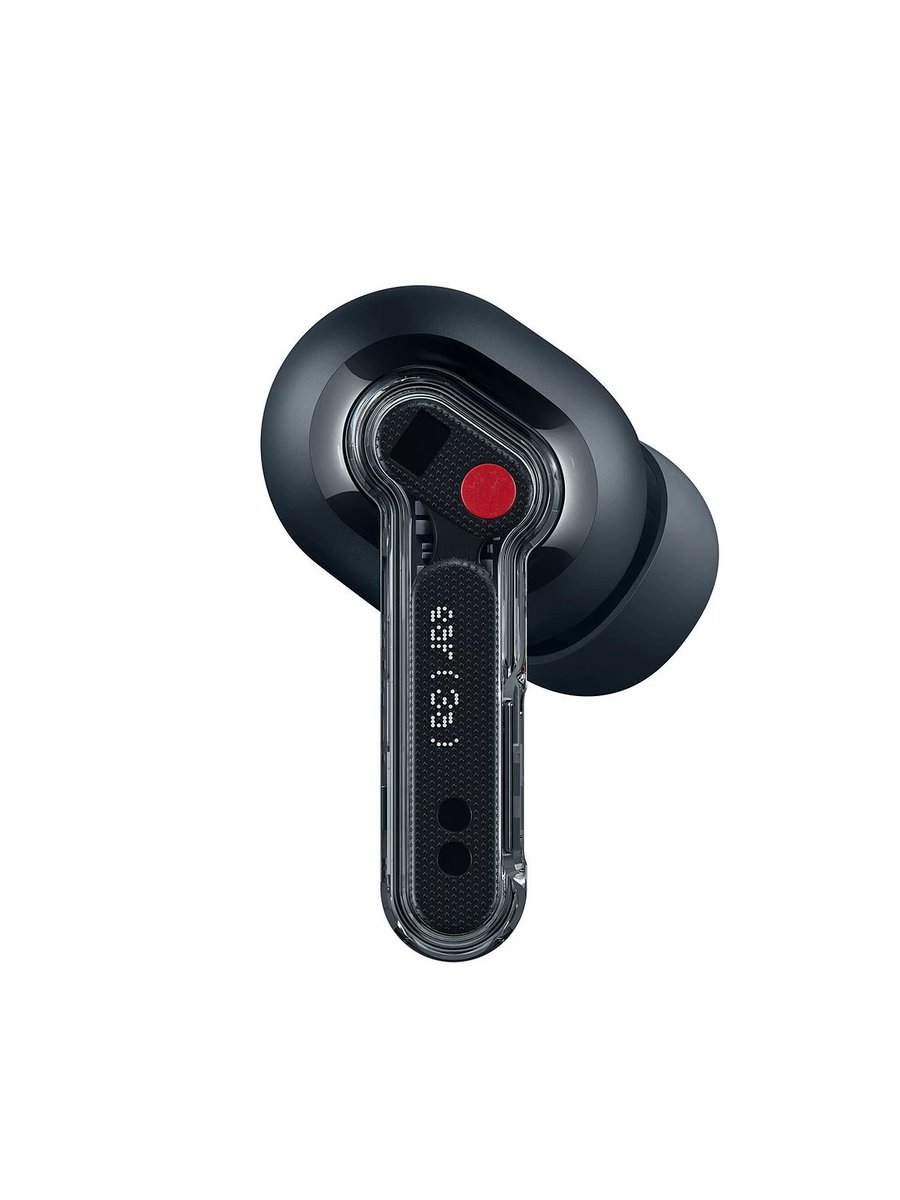
Nothing Ear 3a 規格亮點 — Bluetooth 6.0、45dB ANC、靜態空間音訊

空間音訊:從噱頭到常態

空間音訊(Spatial Audio)已經是 Apple AirPods Pro、Samsung Galaxy Buds、Sony WH-1000XM 系列的标准配備。但目前的空間音訊大多還是「靜態」的——模擬聲音從不同方向傳來,卻不會隨著你的頭部移動而改變。

真正的突破在於動態頭部追蹤空間音訊,這需要耳機內建 IMU(慣性感測單元)來實時追蹤頭部姿態,並即時調整聲場。Apple 的頭戴式 AirPods Max 已經做到這一點,但入耳式耳機因為體積限制,實現起來更具挑戰。隨著感測器成本下降和算法優化,動態空間音訊有望在 2026-2027 年成為中高端耳機的標配。

AI 正在重塑耳機的「大腦」

Nothing Ear 3a 曝光的「AI 語音快照與 ChatGPT 整合」是一個明確信號:耳機正在從被動播放設備變成 AI 助手

目前已經落地的 AI 耳機功能包括:

  • 即時翻譯:Google Pixel Buds、Samsung Galaxy Buds 都已支援多語言實時翻譯
  • AI 降噪:根據環境音頻特徵自動調整降噪曲線(Bose、Sony 的最新款)
  • 語音摘要:將通話或播客內容即時生成摘要
  • 個性化音效:通過听力測試為每個用戶定制專屬 EQ

這些功能正在把耳機變成一個「隨身 AI 音訊處理器」。

驅動單元材料學也在進步

除了無線協議和 AI,耳機的物理聲學部分也沒有停滯。Twitter 上的 HiFi 品牌 XK-AUDIO 剛剛推出了全球首款無後腔障板式頭戴耳機(Cadence Baffle),利用 DeepSeek v4 和 COMSOL 進行 AI 模擬設計,實現了 5Hz-50kHz 的超廣頻響範圍。

這類產品雖然屬於發燒友小眾市場,但它證明了:即使是最傳統的動圈耳機單元,在 AI 輔助設計和新材料的加持下,仍有巨大的提升空間

還有哪些瓶頸?

當然,藍牙耳機的進化也面臨現實約束:

1. 2.4 GHz ISM 頻段的物理限制:藍牙和 Wi-Fi 共用這個頻段,在人流密集的環境中干擾難以避免

2. 電池技術的瓶頸:入耳式耳機的體積限制了電池容量,續航已經逼近物理極限

3. 人耳聽覺的閾值:LC3 編碼已經能做到 CD 級音質,但人類耳朵的分辨能力有限,進一步提升的感知價值在遞減

4. 配对體驗的殘次品:Auracast 雖然技術成熟,但生態建設遠遠落後——大多數公共場所還沒有部署 Auracast 發射器

結論:不是盡頭,而是拐彎

藍牙耳機的進化沒有到盡頭,而是從「硬體參數競賽」進入了「協議 + AI + 場景」的綜合競爭階段。

Bluetooth 6.0 剛起步、Auracast 生態還空白、AI 功能剛萌芽——這三者疊加起來,未來的 2-3 年仍然會有值得期待的突破。只是它們不再體現在「更低的總諧波失真」或「更大的驅動單元直徑」這種傳統指標上,而是藏在協議棧的深處、算法的黑盒子裡、以及你從未想像過的應用場景中。

下一個讓你驚艷的藍牙耳機創新,可能不會是更好的音質,而是某個你從來沒想到耳機可以幫你做的事。


參考來源:
  • The Verge:Auracast 行銷冷淡報導
  • @evleaks Twitter:Nothing Ear 3a 規格洩露(2026-07-06)
  • Bluetooth SIG:LE Audio 與 Auracast 官方規範
  • Tom's Guide:Bluetooth 6.0 功能介紹
  • XK-AUDIO Cadence Baffle 產品發布

留言

這個網誌中的熱門文章

Intel 14A Defect Density Is Its Best Since 22nm — Is Intel Back in the Leading-Edge Race?

One-sentence takeaway: Intel's 14A process is cutting defect density faster than any node since 22nm, and customers have moved from watching to asking about capacity — if risk production stays on track for H2 2027, it's the strongest signal yet that Intel is back in the leading-edge game. "We have not seen this performance since 22nm." When Intel CFO David Zinsner dropped that line at the Deutsche Bank 2026 technology conference, the semiconductor world took notice. 14A — Intel's first 1.4nm-class node — is backing up the company's comeback story with data, not slogans. What is 14A, and why it matters 14A is Intel's most advanced planned process node, a "1.4nm-class" technology targeting high-volume manufacturing in 2028. It packs three headline technologies: second-generation RibbonFET gate-all-around transistors, PowerDirect backside power delivery, and High-NA EUV lithography. In short, it's the most technically complex node Intel ...

Google's Antitrust Remedies Enter Deep Water: Breakup, AI Mode, and the Browser

Bottom line: The U.S. DOJ's remedies phase against Google is redefining the commercial rules of "search" — from Chrome's fate to AI distribution and the ad business, every step could reshape global tech. Google's search monopoly case has been called "the most important antitrust case of the internet era." In August 2024, a federal judge ruled Google violated antitrust law; now the remedies phase is in deep water. The DOJ's proposals include breaking up the ad business, divesting Chrome, and ending default search agreements — each step ripples through the entire tech industry. Timeline: from monopoly ruling to remedies In August 2024, the D.C. federal court ruled that Google violated the Sherman Act by paying billions annually to make Apple, Samsung, and others set Google as the default search engine. The remedies trial runs through 2026, with DOJ options including: Breaking up the ad business: Google's ad tech stack is accused of stifl...

Why Is NVIDIA Spending Billions to Buy Up America's "Dark Fiber"?

One-line conclusion: NVIDIA is reportedly spending $5–10 billion to acquire long-haul "dark fiber" networks across the United States, signaling that the AI infrastructure race is shifting from raw compute power to the networks that connect it. NVIDIA is reportedly acquiring long-haul "dark fiber" networks across the United States, with total capacity estimated at 7.6 Pbps and a price tag between $5 billion and $10 billion. The news sent optical communications stocks surging globally: Taiwan's optical module makers jumped on July 22, and three more hit the daily limit on July 23. Many now read this as the moment the AI arms race moved from "who has more GPUs" to "who owns the network." What Is Dark Fiber, and Why Buy Instead of Lease? Dark fiber refers to fiber-optic cable that has already been laid but has no transmission equipment installed and carries no optical signal . The fiber cores sit "dark" and dormant, waiting to...