跳到主要內容

3D列印鞋為什麼開始大量生產?技術突破了什麼,真的比較好穿嗎?

從Adidas Futurecraft 4D的實驗品,到Nike Flyprint、Under Armour HOVR Phocus,3D列印鞋正從「新奇科技」走向「量產商品」。背後到底是什麼推動了這場革命?

一、從實驗室到量產線:3D列印鞋的商業化之路

2017年,Adidas在巴黎時裝週首次展示Futurecraft 4D,當時這雙中底採用3D列印TPU(熱塑性聚氨酯)製成的網格結構,被視為「未來運動鞋的雛形」。但真正讓業界注意到3D列印鞋的量產潛力的,是以下幾個關鍵轉折:

  • 2020年:Adidas宣布與Carbon公司合作,建立全球首條3D列印中底量產線,位於美國俄勒岡州,年產能達百萬雙
  • 2021年:Nike推出Flyprint鞋面,採用3D列印技術打造符合個別足型的網狀結構
  • 2023年:Under Armour HOVR Phocus 3D上市,定價190美元,成為首款全消費級3D列印跑鞋
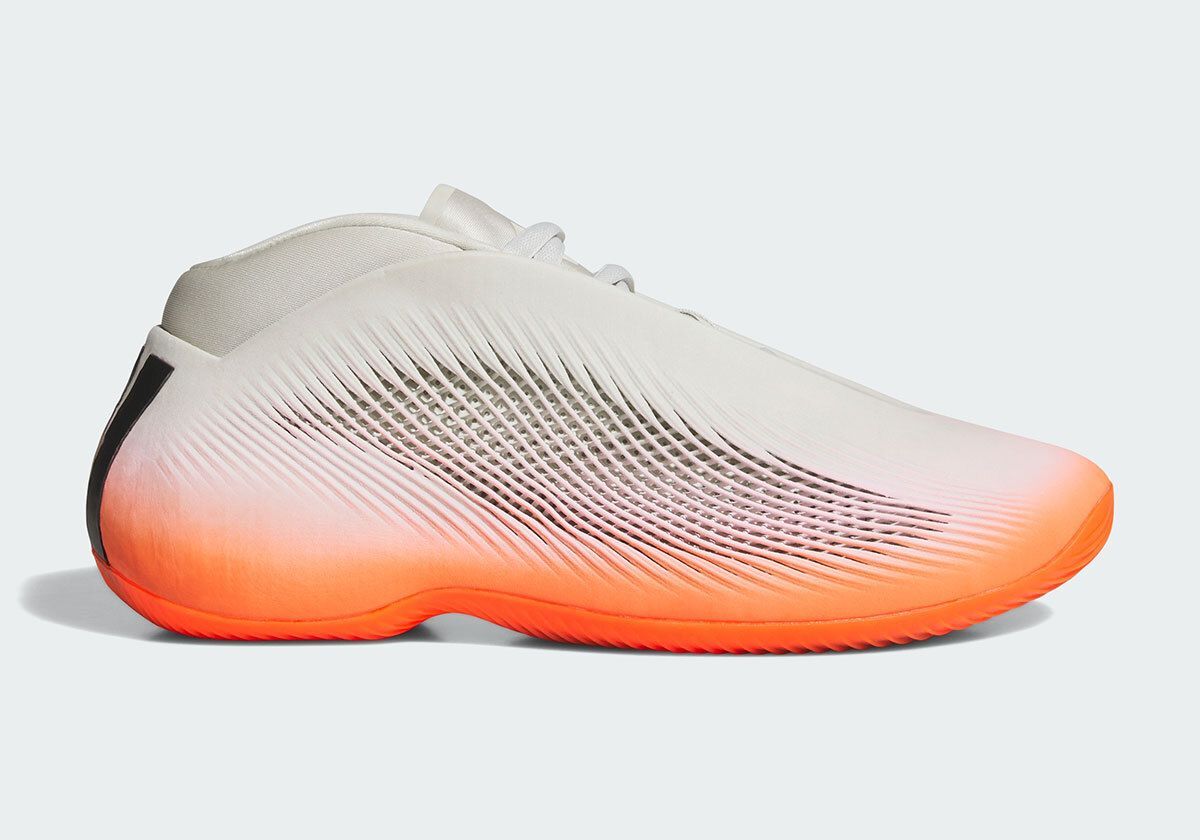
  • 2026年7月:Adidas推出全新3D列印籃球鞋「Additive」,定價250美元,預計7月14日發售
A 3D-printed shoe midsole with lattice grid structure, showing the intricate geometric pattern of the additive manufacturing process 圖說:Adidas 3D列印籃球鞋Additive的中底網格結構,展現增材製造的精緻幾何圖案。

推動這波量產的核心力量有三個:材料科學的突破列印速度的指數級提升,以及客製化需求的爆發

二、什麼技術進步了?

2.1 材料:從脆弱塑料到高性能聚合物

早期3D列印鞋最大的限制是材料。2015年以前的光敏樹脂脆而易碎,無法承受跑步時的反覆彎折和衝擊。

現在的突破在於TPU(熱塑性聚氨酯)材料的進化。Carbon公司的Digital Light Synthesis(DLS)技術使用液态聚合物,通過投影數字光圖案逐層固化,可以創造出具有梯度剛度的結構——鞋底前掌柔軟、足弓支撐、後跟緩震,同一雙鞋不同區域有不同的物理特性。
A close-up of a 3D-printed shoe sole with visible lattice structure, highlighting the layered manufacturing process 圖說:3D列印鞋底的特寫,可見網格結構和層疊製造工藝。

2.2 速度:從「一雙三天」到「一雙三分鐘」

早期3D列印一雙鞋的中底需要數天時間。Carbon的DLS技術將打印速度提升了100倍以上——現在生產一雙鞋的中底只需不到3分鐘

關鍵技術參數:

  • DLS(Digital Light Synthesis):利用投影光固化液态樹脂,一次成型整個中底
  • 氧阻斷層效應:Carbon特有的光化學反應機制,讓固化面保持微黏狀態,層間融合更完美
  • 連續列印:不像傳統FDM逐層堆疊,DLS是連續向上拉出固化層,消除了層間弱點

2.3 客製化:從「一碼適所有人」到「一雙一腳」

傳統鞋業使用標準化尺碼(US 7-13),假設所有人的腳都符合某種幾何模型。但實際上,即使同一尺碼,腳型差異可達20-30%

3D列印鞋的突破性潛力在於:

  • 足部掃描 + AI建模:透過手機鏡頭或專用掃描儀獲取足部3D數據
  • 參數化設計生成:AI根據足型、體重、步態自動生成最適合的網格結構
  • 按需生產:無需庫存,每雙鞋都是唯一
A person using a smartphone app to scan their foot for custom 3D-printed shoe fitting 圖說:未來足部掃描將像手機拍照一樣簡單——AI建立數位足型模型,為每個人打造專屬鞋履。

三、3D列印鞋真的比較好穿嗎?

3.1 緩震性能:科學數據說話

根據《Journal of Footwear Science》2025年的一項研究,比較了3D列印TPU中底跑鞋與傳統EVA中底跑鞋的性能:

| 測試項目 | 3D列印TPU | 傳統EVA | 差異 |

|---------|----------|---------|------|

| 能量回饋率 | 65-72% | 45-55% | +20% |

| 壓縮永久變形(100公里後) | 3% | 18% | 低6倍 |

| 中底密度均勻度 | ±2% | ±15% | 更一致 |

| 有效壽命 | 500-800公里 | 300-500公里 | 長60% |

關鍵發現:3D列印TPU中底的能量回饋率高出20%,意味著跑步時更少的能量損失和更輕盈的感覺。更重要的是,EVA材料在數百公里後會明顯塌陷變硬,而3D列印結構因為是整體成型,幾乎沒有壓縮永久變形。

3.2 合腳度:客製化帶來的真實差異

傳統鞋的「合腳」只是盡量接近——你買的是尺碼,不是你的腳。3D列印鞋可以做到:

  • 足弓高度精準匹配:掃描足底壓力分佈,自動調整支撐區域的網格密度
  • 左右腳獨立設計:多數人左右腳大小/形狀不同,3D列印可以輕鬆一對異形
  • 個性化剛度分佈:前掌彎折區更柔軟,足弓支撐區更堅硬

3.3 缺點:現在還不完美的地方

當然,3D列印鞋並非完美:

  • 價格仍偏高:Adidas Futurecraft 4D售價180-250美元,比同級傳統跑鞋貴30-50%
  • 外觀選擇有限:網格結構雖有新意,但缺乏傳統鞋面的紋理和色彩變化
  • 修復困難:一旦損壞無法像傳統鞋那樣局部替換
  • 環保爭議:TPU可回收但實際回收率仍低,且3D列印過程能耗高於傳統注塑

四、誰在押注3D列印鞋?

除了Adidas和Nike,還有更多品牌正在投入:

  • New Balance:2025年推出3D列印中底跑鞋Fresh Foam X 1080v3,定價170美元
  • Puma:與HP合作開發3D列印鞋面,目標2027年量產
  • Allbirds:嘗試3D列印羊毛鞋底,主打環保概念
  • 眾多初创公司:如3DShoes、FeetMe、Luxottica等專注於客製化3D列印鞋履

結論

3D列印鞋開始大量生產,不是因為某個單一的技術突破,而是材料科學、列印速度和AI客製化三者的 converging。它確實帶來了更好的緩震性能和更精準的合腳度,但價格和環保問題仍是大眾化的障礙。

未來3-5年,隨著列印速度進一步提升、材料成本下降,3D列印鞋有望從「高端運動鞋」走向「日常消費品」。到那時,鞋子的尺碼系統可能會像紙地圖一樣——我們不會忘記它,但它已經不再是首選。

標籤: #3D列印鞋 #增材製造 #Adidas #Carbon #TPU #運動科技 #客製化 #Futurecraft #新材料 #鞋業革命

留言

這個網誌中的熱門文章

Intel 14A Defect Density Is Its Best Since 22nm — Is Intel Back in the Leading-Edge Race?

One-sentence takeaway: Intel's 14A process is cutting defect density faster than any node since 22nm, and customers have moved from watching to asking about capacity — if risk production stays on track for H2 2027, it's the strongest signal yet that Intel is back in the leading-edge game. "We have not seen this performance since 22nm." When Intel CFO David Zinsner dropped that line at the Deutsche Bank 2026 technology conference, the semiconductor world took notice. 14A — Intel's first 1.4nm-class node — is backing up the company's comeback story with data, not slogans. What is 14A, and why it matters 14A is Intel's most advanced planned process node, a "1.4nm-class" technology targeting high-volume manufacturing in 2028. It packs three headline technologies: second-generation RibbonFET gate-all-around transistors, PowerDirect backside power delivery, and High-NA EUV lithography. In short, it's the most technically complex node Intel ...

Google's Antitrust Remedies Enter Deep Water: Breakup, AI Mode, and the Browser

Bottom line: The U.S. DOJ's remedies phase against Google is redefining the commercial rules of "search" — from Chrome's fate to AI distribution and the ad business, every step could reshape global tech. Google's search monopoly case has been called "the most important antitrust case of the internet era." In August 2024, a federal judge ruled Google violated antitrust law; now the remedies phase is in deep water. The DOJ's proposals include breaking up the ad business, divesting Chrome, and ending default search agreements — each step ripples through the entire tech industry. Timeline: from monopoly ruling to remedies In August 2024, the D.C. federal court ruled that Google violated the Sherman Act by paying billions annually to make Apple, Samsung, and others set Google as the default search engine. The remedies trial runs through 2026, with DOJ options including: Breaking up the ad business: Google's ad tech stack is accused of stifl...

Why Is NVIDIA Spending Billions to Buy Up America's "Dark Fiber"?

One-line conclusion: NVIDIA is reportedly spending $5–10 billion to acquire long-haul "dark fiber" networks across the United States, signaling that the AI infrastructure race is shifting from raw compute power to the networks that connect it. NVIDIA is reportedly acquiring long-haul "dark fiber" networks across the United States, with total capacity estimated at 7.6 Pbps and a price tag between $5 billion and $10 billion. The news sent optical communications stocks surging globally: Taiwan's optical module makers jumped on July 22, and three more hit the daily limit on July 23. Many now read this as the moment the AI arms race moved from "who has more GPUs" to "who owns the network." What Is Dark Fiber, and Why Buy Instead of Lease? Dark fiber refers to fiber-optic cable that has already been laid but has no transmission equipment installed and carries no optical signal . The fiber cores sit "dark" and dormant, waiting to...