
跳到主要內容

腦機接口2026大爆發:從Meta無創打字到中國植入突破,人類進入「意念時代」

腦機接口概念圖

2026年,腦機接口(BCI)不再只是科幻電影的場景。短短幾週內,全球多項重大突破同時湧現,從無創意念打字、口腔植入設備,到世界首例高階腦區植入手術,這項技術正以超乎想像的速度從實驗室走向現實。

Meta 推出 Brain2Qwerty v2:不用動手術就能「意念打字」

Meta Brain2Qwerty 示意圖

2026年6月底,Meta AI 在《自然神經科學》(Nature Neuroscience)發表了最新研究成果——Brain2Qwerty v2。這是一個完全非侵入式的腦機接口系統,不需要在大腦中植入任何電極,就能將大腦活動轉換成文字。

這項研究的原理很特別:它使用腦磁圖掃描儀(MEG)來測量神經元放電時產生的微小磁場。當參與者在鍵盤上打字時,系統會捕捉他們手指運動計劃的大腦信號,然後用 AI 解碼這些信號並重建出他們想打的文字。

關鍵數據:
  • 研究招募了9名志願者,收集了約90小時的大腦活動數據
  • 參與者共打了約22,000句句子
  • 平均字詞準確率達到61%
  • 表現最好的參與者準確率高達78%
  • 對於最佳參與者而言,近一半的解碼句子只有一個字的錯誤

Meta 同時開源了訓練程式碼,加速整個領域的研究進展。

不過,這個系統目前最大的瓶頸在於設備本身——MEG 掃描儀重達數噸、價值數百萬美元,還需要專門的屏蔽房間。離日常消費級產品還有很長一段距離。但 Meta 的長期目標很明確:幫助肌萎縮側索硬化症(ALS)、中風、癱瘓和閉鎖綜合徵患者恢復溝通能力。

世界首例:科羅拉多州成功植入高階腦區 BCI
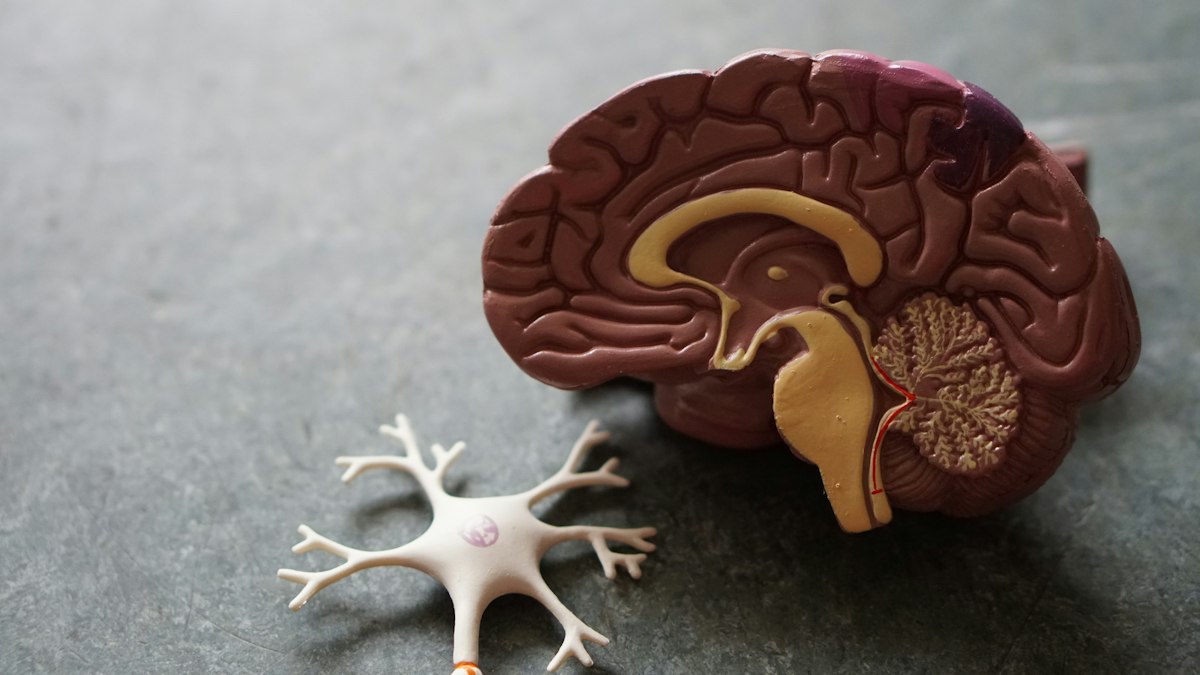
腦機接口植入手術示意圖

就在同時間,另一項突破性進展來自美國科羅拉多大學安舒茨醫學院(CU Anschutz)和 UCHealth。

2026年2月,神經外科專家為一名41歲的患者 Brandon Patterson 進行了全球首例將腦機接口植入大腦高階功能區域的手術。

這個案例的特殊之處在於:以往大多數 BCI 手術只針對純粹的運動區域,而這次團隊將裝置植入了負責認知和複雜運動的高階腦區。這意味著裝置不僅能讀取簡單的動作意圖,還能捕捉更複雜的思考過程。

患者 Patterson 在2017年的一場意外中從胸部以下癱瘓。植入 BCI 後,他現在能夠透過大腦信號連接電腦,研究團隊希望最終能讓他控制機械手臂和使用電腦。更令人興奮的是,早期結果已經顯示他的手指感覺開始恢復——這是他受傷以來第一次重新感受到觸覺。

這項研究由 Blackrock Neurotech 提供設備支持,由加州理工學院 Richard Andersen 博士領導的財團進行。研究團隊計劃將裝置長期植入體內,長期追蹤大腦如何支持學習、規劃和決策等高階認知功能。

中國 BCI 快速推進:「腦機一号」完成16例植入

在中國方面,本土研發的半侵入式腦機接口系統「腦機一号」(Beinao No.1)也取得了實質進展。截至2026年6月,已完成16例植入手術,累積超過55,000小時的安全運行時間,幫助患者實現了意念控制機械手臂和操作運動功能重建。

最長的植入時間已超過一年。預計2026年將完成36例植入,而「腦機二号」的临床驗證將在2026年下半年展開。更為重要的是,該系統預計在2027年在全國合格的三級醫院進行試點應用。

值得一提的是,中國還出現了另一個有趣的方向——口腔腦機接口。麻省理工學院(MIT)的研究團隊開發了一款只需1,500美元就能製造的口腔植入式 BCI 設備,大大降低了侵入式腦機接口的成本和手術複雜度。這篇小紅書筆記獲得了超過1.1萬個讚和3,000多次收藏,可見公眾對此的高度關注。

三大技術路線:侵入式、微侵入式、非侵入式
三種腦機接口技術路線對比

從目前的發展來看,腦機接口技術形成了三條清晰的路線:

1. 侵入式(Invasive)

代表:Neuralink(估值90億美元,融資18.5億美元)、Synchron、中國「腦機一号」

特點: surgically implanted electrodes directly in the brain, highest signal quality, but carries surgical risk. Neuralink 擁有1,024個 surgically implanted electrodes,是目前電極數量最多的系統。

2. 微侵入式(Minimally Invasive)

代表:Synchron

特點:通過頸靜脈將植入物送入大腦,不需要開顱手術。風險較低,但仍需植入。

3. 非侵入式(Non-Invasive)

代表:Meta Brain2Qwerty、Merge Labs(Sam Altman 聯合創始人)、MIT 口腔 BCI

特點:不需要手術,但目前的準確率和實用性仍低於侵入式方案。Meta 的 MEG 設備雖然準確率高,但體積龐大;Merge Labs 則嘗試用超聲波技術實現更輕量的解決方案。

市場規模與投資熱潮

根據 Sacra Research 的數據,過去18個月內,超過16億美元的風險投資流入腦機接口領域。BCI 市場規模在2025年估計達到30-40億美元,預計到2030年將增長至60-150億美元,年複合增長率達15-18%。

除了直接投資 BCI 公司外,供應鏈也成為投資焦點:

  • NVIDIA:提供 Holoscan 計算平台,支撐 Synchron 的解碼器運行
  • Medtronic:與 Precision Neuroscience(估值5.43億美元)建立分銷合作
  • Butterfly Network:開發超聲波晶片,應用於非侵入式 BCI 研究

未來展望:不是「會不會」,而是「什麼時候」

雖然目前還沒有任何永久植入式 BCI 獲得商業化的 FDA 批准——Synchron 是最接近的,預計2026年啟動樞軸臨床試驗——但技術軌跡已經非常清晰。

腦機接口的終極意義不在於讓健康人獲得超能力,而在於幫助人們恢復失去的功能。從幫助癱瘓患者重新控制肢體,到讓 ALS 患者恢復溝通能力,再到未來可能改善情緒障礙和失智症的治療——這項技術的影響力遠遠超出我們現在的想像。

2026年的這一波突破,很可能就是歷史性的拐點。


本文素材來源:Meta AI Blog(Brain2Qwerty v2, 2026年6月)、CU Anschutz 官方新聞稿、中國科學報、Sacra Research(Neuralink/Synchron 數據)、Nature Neuroscience、BCI Intel(bciintel.com)

留言

這個網誌中的熱門文章

Intel 14A Defect Density Is Its Best Since 22nm — Is Intel Back in the Leading-Edge Race?

One-sentence takeaway: Intel's 14A process is cutting defect density faster than any node since 22nm, and customers have moved from watching to asking about capacity — if risk production stays on track for H2 2027, it's the strongest signal yet that Intel is back in the leading-edge game. "We have not seen this performance since 22nm." When Intel CFO David Zinsner dropped that line at the Deutsche Bank 2026 technology conference, the semiconductor world took notice. 14A — Intel's first 1.4nm-class node — is backing up the company's comeback story with data, not slogans. What is 14A, and why it matters 14A is Intel's most advanced planned process node, a "1.4nm-class" technology targeting high-volume manufacturing in 2028. It packs three headline technologies: second-generation RibbonFET gate-all-around transistors, PowerDirect backside power delivery, and High-NA EUV lithography. In short, it's the most technically complex node Intel ...

Google's Antitrust Remedies Enter Deep Water: Breakup, AI Mode, and the Browser

Bottom line: The U.S. DOJ's remedies phase against Google is redefining the commercial rules of "search" — from Chrome's fate to AI distribution and the ad business, every step could reshape global tech. Google's search monopoly case has been called "the most important antitrust case of the internet era." In August 2024, a federal judge ruled Google violated antitrust law; now the remedies phase is in deep water. The DOJ's proposals include breaking up the ad business, divesting Chrome, and ending default search agreements — each step ripples through the entire tech industry. Timeline: from monopoly ruling to remedies In August 2024, the D.C. federal court ruled that Google violated the Sherman Act by paying billions annually to make Apple, Samsung, and others set Google as the default search engine. The remedies trial runs through 2026, with DOJ options including: Breaking up the ad business: Google's ad tech stack is accused of stifl...

Why Is NVIDIA Spending Billions to Buy Up America's "Dark Fiber"?

One-line conclusion: NVIDIA is reportedly spending $5–10 billion to acquire long-haul "dark fiber" networks across the United States, signaling that the AI infrastructure race is shifting from raw compute power to the networks that connect it. NVIDIA is reportedly acquiring long-haul "dark fiber" networks across the United States, with total capacity estimated at 7.6 Pbps and a price tag between $5 billion and $10 billion. The news sent optical communications stocks surging globally: Taiwan's optical module makers jumped on July 22, and three more hit the daily limit on July 23. Many now read this as the moment the AI arms race moved from "who has more GPUs" to "who owns the network." What Is Dark Fiber, and Why Buy Instead of Lease? Dark fiber refers to fiber-optic cable that has already been laid but has no transmission equipment installed and carries no optical signal . The fiber cores sit "dark" and dormant, waiting to...