"Blood Sugar" Is Trending: Over 200,000 Diabetics Face Diabetic Kidney Threat — Is Your Breakfast Protein Enough?
One-sentence takeaway: Blood sugar control isn't just for diabetics — a normal HbA1c doesn't guarantee healthy kidneys, and the protein in your breakfast is the cheapest blood sugar insurance you can buy; protein first, carbs second beats skipping meals.

"Blood sugar" recently hit search trend charts, driven by two health warnings: the Hong Kong Diabetes Federation estimates over 200,000 diabetics face the threat of "diabetic kidney disease" — and blood sugar numbers "on target" don't mean your kidneys are safe; meanwhile, surveys show about 70% of office workers don't get enough protein at breakfast — and what you eat in the morning determines how stable your blood sugar stays all day.
Why "blood sugar on target" doesn't equal "kidneys safe"
This is one of the biggest misconceptions. Clinically, blood sugar control is often measured by HbA1c, which reflects average glucose over the past 2–3 months. But diabetic nephropathy develops under multiple influences — not just long-term glucose, but also blood pressure, lipids, smoking, and genetics. Even with HbA1c under 7%, if blood pressure is poorly controlled or microalbuminuria (tiny amounts of albumin in urine) has already appeared, kidney function can still silently deteriorate.
The early signal of kidney damage often hides in urinary microalbumin — a urine test is the only tool that catches it early, yet it's frequently overlooked. Research also shows RAAS inhibitors (common blood pressure medications) effectively prevent the onset of albuminuria in people with type 2 diabetes — but only when detected and treated early.

How does a protein-poor breakfast make blood sugar "swing" all day?
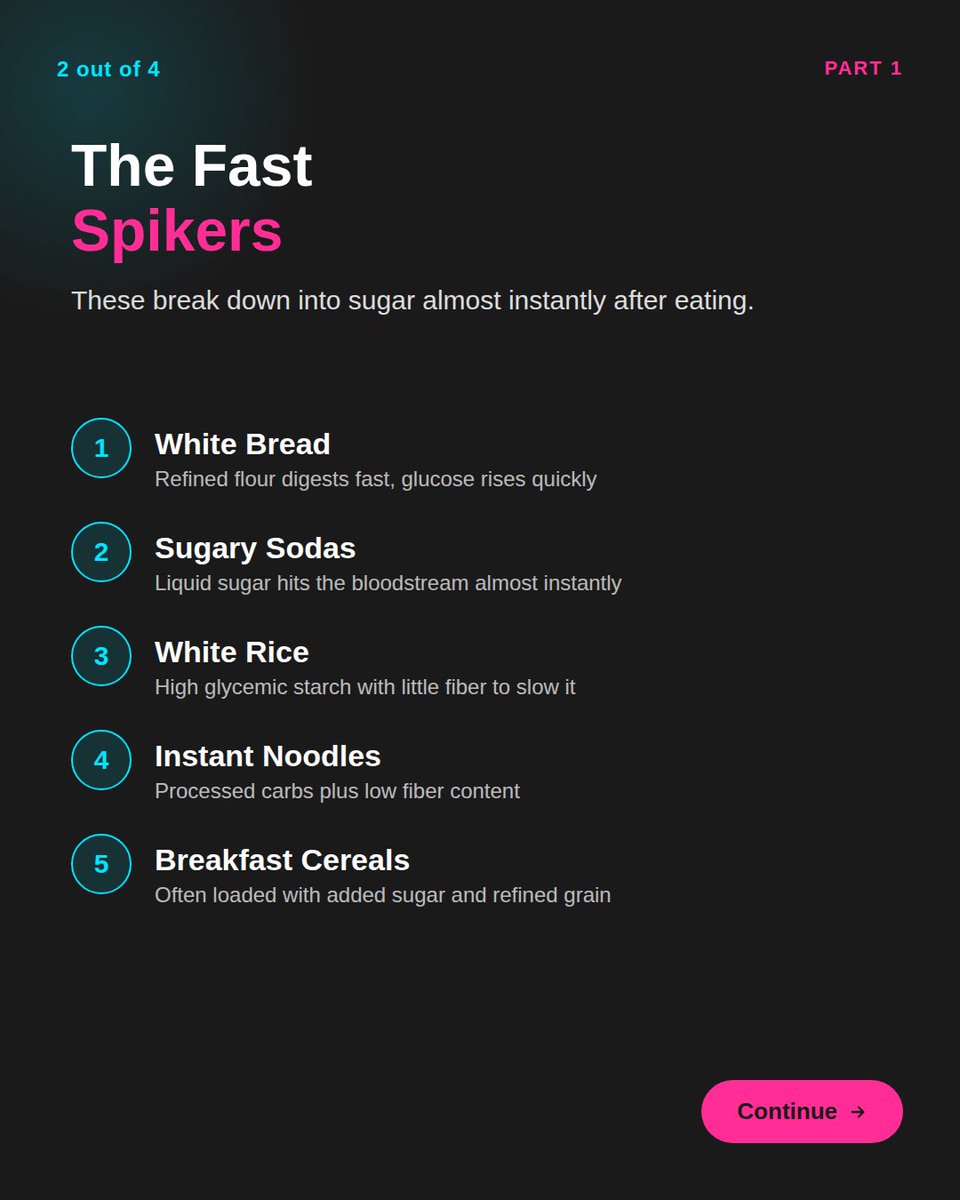
The "70% of workers lack breakfast protein" finding hits the modern diet's common flaw: breakfast is bread, sandwiches, and sugary drinks — high carb, low protein, low fiber. This kind of breakfast spikes blood sugar quickly; after a large insulin surge, glucose crashes fast, and by 10 a.m. you're tired, irritable, and reaching for snacks — that's not a willpower problem, it's blood sugar on a roller coaster.
Nutrition science offers a very concrete fix:
- Protein first, carbs second: Meal order changes the glucose curve. Eating protein and vegetables before carbohydrates significantly blunts the post-meal glucose peak.
- Aim for 20–30 grams of protein at breakfast: Eggs, unsweetened Greek yogurt, soy milk, and whey shakes are convenient sources. Studies show high-protein breakfasts stabilize blood sugar and appetite all day.
- Swap refined carbs for whole grains: Whole-grain bread and oats have a lower glycemic index (GI); paired with protein and nuts, they deliver better satiety and glucose stability.
Who should start paying attention? Not just diabetics
"Normal fasting glucose" often gives a false sense of security. Many people are in prediabetes — fasting glucose slightly elevated but not yet diabetic, with insulin resistance already quietly underway. Combined with the spread of continuous glucose monitoring (CGM), more people are seeing the shock of "how high a bowl of rice spikes my glucose" in real time, and glucose awareness is expanding from diabetics to the general health-conscious population.

Three actions you can take today
1. Check HbA1c + urinary microalbumin once a year: Don't just measure fasting glucose — a normal fasting number doesn't mean long-term glucose and kidneys are fine; these two are the real "early" indicators.
2. Rebuild breakfast as "protein-first": A cup of unsweetened soy milk + one egg + a piece of fruit — low cost, easy to do, and blood sugar stability improves immediately.
3. Walk 10 minutes after meals: Light post-meal activity helps muscles take up glucose — a free and effective "glucose buffer."
FAQ
Q1: Does normal fasting glucose mean everything is fine?Not necessarily. Fasting glucose reflects a single point in time; HbA1c reflects 2–3 months of average glucose; kidney health additionally requires a urine microalbumin test. All three together form a complete assessment.
Q2: How should breakfast be eaten to stabilize blood sugar?Follow three principles — protein first, whole grains instead of refined carbs, protein before carbs. Target 20–30 grams of protein at breakfast (e.g., 2 eggs + unsweetened soy milk), and cut sugary drinks.
Q3: Is CGM worth paying for out of pocket?Valuable for people who want to learn "which foods spike my glucose" — two weeks of wear builds a personalized dietary map. But it's not necessary for generally healthy people; start with diet and exercise adjustments first.
Q4: Can diabetic kidney disease be reversed?In the early stage (microalbuminuria), strict glucose and blood pressure control plus medication can slow or partially reverse it; once significant proteinuria or declining kidney function appears, the goal shifts to slowing progression — which is why early screening matters.
Q5: Does prediabetes require medication?Most cases start with lifestyle intervention — losing 5–7% of body weight, 150 minutes of weekly exercise, and dietary restructuring significantly reduce the risk of progressing to diabetes; doctors decide whether medication is needed based on individual risk.
留言
張貼留言