One-line takeaway: Cooling inflation is pulling down the forecast for the 2027 Social Security COLA — but a smaller raise often means steadier purchasing power. The real move isn't watching the estimate; it's keeping financial flexibility until the official October number arrives.
The annual Cost-of-Living Adjustment (COLA) for U.S. Social Security is one of the most-watched numbers for tens of millions of retirees. Recent reports say the 2027 COLA forecast has been cut. On the surface that sounds like bad news — but dig into the mechanics and you'll find a precise formula at work, and the outcome isn't necessarily bad for retirees at all.
What is COLA, and why does cooler inflation mean a smaller raise?
COLA exists to keep Social Security benefits in step with prices, protecting retirees' purchasing power. It's calculated from CPI-W (the Consumer Price Index for Urban Wage Earners and Clerical Workers) — an inflation gauge tracking the spending patterns of wage-earner households.
The method: take the average CPI-W for the third quarter of last year (July–September) and compare it to the same period a year earlier. The increase becomes the COLA effective the following January. In other words, COLA reflects the past 12 months of inflation, not a forecast of the future.
So when inflation cools and CPI-W growth eases, the COLA forecast naturally falls — that's not the government "shrinking benefits," it's arithmetic.
Why a "cut forecast" might actually be good news
It sounds paradoxical, but lower COLA carries two hidden upsides for retirees:
1. Purchasing power stays intact: COLA's whole purpose is to track inflation. Low inflation, small raise — but your money still buys the same things. What actually hurts is "high COLA + high inflation," where the number looks big but real purchasing power gets eroded.
2. Tax ripple effects shrink: A larger COLA can push annual income up, causing more benefits to become taxable and even raising Medicare Part B premiums (which are income-based). A smaller raise means less of this hidden erosion.
Media headlines love "COLA cut," yet the same stories often note there's "upside surprise potential" — third-quarter data hasn't finished playing out, so the final number could still beat the forecast.
How retirees should respond to a possibly smaller raise
Instead of stressing over estimates, focus on financial structure:
- Don't treat COLA as a primary income driver: Social Security is designed as a safety net, not the whole retirement income. Build inflation resistance into your portfolio and savings rather than relying on annual raises.
- Watch Medicare Part B premiums: They're deducted directly from benefits and tied to income. When the COLA is small, premium increases bite harder into actual take-home — budget for it.
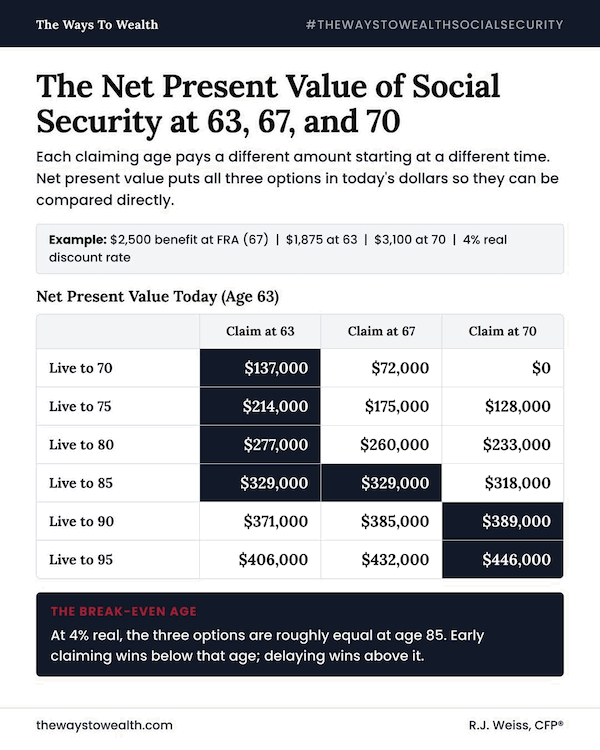
- Delaying claiming is a "hidden COLA": Each year you delay, lifetime benefits grow roughly 8% — higher than most annual COLA raises, and the most overlooked self-made adjustment available.
- October is the key date: The official 2027 COLA is expected in October 2026. Until then, any forecast is just an estimate — not a basis for major financial decisions.

Do other countries adjust pensions for inflation?
The U.S. uses CPI-W; other systems vary in benchmark and frequency. Some index to average wage growth, some to a broad consumer price index, and some use protections like "the higher of price or wage growth." The common thread: every mechanism balances price-tracking against fiscal sustainability — the shared dilemma of pension systems worldwide.
Look past the raise: the bigger long-term issue
More than the 2027 COLA number, retirees should watch the long-term finances of the Social Security trust funds. Per the trustees' report, without reform, benefit payments could face cuts within years. That doesn't mean benefits vanish tomorrow — it means retirement planning shouldn't bet everything on a single system. Personal savings and diversified income remain the real foundation.

FAQ
Q1: How is COLA calculated?Based on CPI-W, comparing the average of last year's third quarter (July–September) with the same period a year earlier; the increase becomes the raise effective the following January. The official figure is typically announced each October.
Q2: Why does cooler inflation mean a smaller raise?COLA reflects actual inflation over the trailing 12 months. When inflation cools, CPI-W growth shrinks, so the raise shrinks — an inevitable result of the formula, not a benefit cut.
Q3: What will the 2027 COLA be?Only media estimates exist right now, and they've been revised down. The official number is expected in October 2026 — forecasts shouldn't drive financial decisions.
Q4: How much less will retirees actually receive if COLA shrinks?It depends on Medicare Part B premium changes — premiums are deducted directly from benefits. If premium increases outpace COLA, net take-home can even fall despite a raise, so budget accordingly.
Q5: Besides waiting for COLA, how can retirees create their own "raise"?Delay claiming (roughly +8% per year), hold inflation-resistant assets, and keep flexible part-time income — all protect long-term purchasing power better than passively waiting on the official adjustment.
留言
張貼留言