一場顛覆雲端格局的戰略轉型
2026 年 7 月 1 日,彭博社的一則報導引爆了科技圈與資本市場——Meta 正在規劃自有雲端基礎設施業務,將出售剩餘 AI 運算力與模型存取權,直接競爭 Amazon Web Services(AWS)、Microsoft Azure 和 Google Cloud。
消息公布後,META 股價當日飆漲逾 10%,成為市場關注的焦點。然而,分析師強調,這並不意味著 AI 需求萎縮——相反地,Meta 仍在德州與密蘇里簽下了總計 1.6GW 的新資料中心合約。
這項舉動標誌著 AI 基礎設施市場正從「GPU 短缺」時代,邁向「世代分層定價」的新紀元。
 圖說:Bloomberg 報導 Meta 開發雲基礎設施業務,將出售 AI 運算力與模型存取權(來源:@business Twitter)
NeoCloud 是什麼?為什麼現在?
所謂「NeoCloud」(新雲端),是指由非傳統雲端巨頭所建立的 AI 原生雲端服務。過去幾年,CoreWeave、Nebius 等新銳玩家已經證明了這個模式的可行性——它們專注於 AI 訓練與推論的高密度運算需求,而非傳統 IT 基礎設施。
Meta 的內部計劃名為「Meta Compute」,據了解有三個可能的服務方向:
第一:AI 模型託管服務——類似 AWS Bedrock,讓開發者可以直接透過 Meta 的基礎設施呼叫 Llama 系列模型。 第二:原始 AI 運算容量租賃——更接近 CoreWeave 的模式,直接向企業出租 GPU 運算資源。 第三:開發者資料中心存取——開放 Meta 自有的資料中心、自研晶片與模型給外部開發者使用。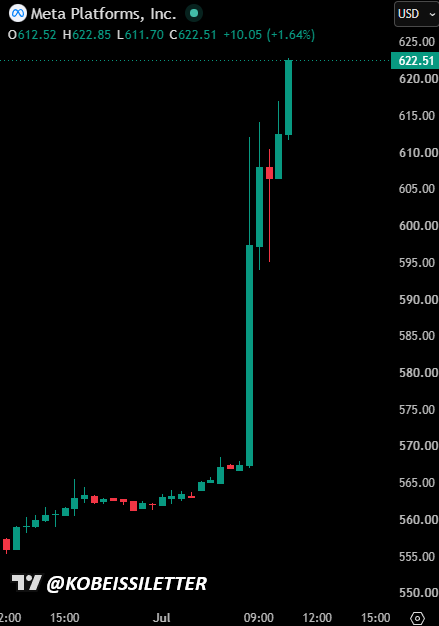 圖說:Meta 股價因雲端業務消息飆漲超過 10%(來源:@KobeissiLetter Twitter)
The Kobeissi Letter 在 X 平台上評論道:「或許最近的資本支出終於有了合理的解釋。」
「閒置」不代表「過剩」——Meta 仍在瘋狂擴建
儘管報導中使用了「剩餘」(excess)一詞,但事實恰恰相反。Meta 在 2026 年的資本支出預算高達 1,250 億至 1,450 億美元,並且剛剛與 Crusoe Data Centers 簽署了德州 Childress 與密蘇里 Warrenton 兩地的 1.6GW 資料中心合約。
FundaAI 在分析中指出:
>「Meta 考慮外部商業化剩餘 AI 運算力,並不表示其 AI 運算需求已達頂峰。Meta 仍在鎖定重大新增容量,包括約 1.6GW 的新資料中心合約。」
這背後的核心邏輯是「世代分層」:
- 新一代 GPU(GB200/GB300、Vera Rubin):用於 3 兆參數以上的 MoE 模型訓練、長上下文多模態訓練、RL 強化學習後訓練——這些仍是稀缺資源
- 舊世代 GPU(H100/H200 陣列):對於推論(inference)、微調(fine-tuning)、企業模型服務、圖像/影片生成、傳統機器學習仍有巨大價值
 圖說:FundAI 分析指出 Meta 的 NeoCloud 計劃與持續擴建並不矛盾(來源:@FundaAI Twitter)
Generational compute shift(世代運算轉移)正在發生——Meta 的大型 H100/H200 陣列對於推論、微調、企業模型服務、圖像/影片生成和傳統機器學習仍具有價值。但對於 3T+ 參數的 MoE 模型、長上下文、多模態訓練和 RL 密集型的後訓練,GB200/GB300 和未來的 Vera Rubin 系統提供了更好的經濟效益。
AI 基礎設施的「金融化」時代
Zero Hedge 的分析更為深刻:Meta 的雲端轉型正在改變整個資本支出的敘事框架。
>「Meta 上漲約 10%,因為報告顯示它可能建立雲端業務來變現剩餘運算容量,將敘事轉向更高的財務紀律,緩解了對持續上升資本支出的擔憂。這個動作被解讀為資本支出預期不再向上偏斜的信號,讓焦點轉向自由現金流穩定化和潛在的增量收入來源。」
這標誌著一個更深遠的趨勢:GPU 開始金融化。
當舊世代的 H100/H200 不再是稀缺資源時,它們並沒有變成零價值——而是成為了可以出租、租賃、分層的資產。就像房地產市場中的二手房屋一樣,舊世代 GPU 找到了自己的利基市場:推論服務、中小模型微調、企業級 AI 應用。
RHouseResearch 在 X 平台上點出了關鍵:
>「幾乎就像如果市場相信 Meta 也會建立 NeoCloud 業務,他們將更容易籌集資金一樣。」
SpaceX 的 Starship 部門已經證明了這個模式的成功——透過將其剩餘運算能力租給 Anthropic 和 Google,SpaceX 將 AI 業務演變為一個「neocloud」。現在,Meta 正在走同樣的路。
 圖說:NY Post 報導 Meta 股價因出售剩餘 AI 運算力而跳漲 10%(來源:@nypost Twitter)
對 Neocloud 生態系的衝擊
Meta 的入場對現有 Neocloud 玩家來說並非好消息。Reddit 上的討論顯示,消息公布後,CoreWeave(CRWV)下跌 10%、Nebius(NBIS)下跌 14%,而 Meta 則上漲 10%。
CNBC 的報導標題直言:「Meta 以 8% 涨幅推動雲端業務,出售剩餘 AI 運算能力」。
然而,分析師指出,Meta 的目標客戶與 CoreWeave 或 Nebius 有顯著差異:
1. 規模優勢:Meta 擁有全球最大的 GPU 陣列之一,以及自研的 MTIA(Meta Training and Inference Accelerator)晶片
2. 模型生態:Llama 系列的開源生態已經吸引了全球數十萬開發者,Meta 可以將模型存取與運算容量打包銷售
3. 現金流:相較於依賴債務融資的 Neocloud 新秀,Meta 擁有強大的廣告業務現金流支撐
不過,這種「巨人進場」也帶來了新的市場動態——當 Meta 這樣規模的玩家開始出售運算能力時,整個 AI 基礎設施市場的定價結構都可能被重塑。
台灣與華語圈的觀點
小紅書上,這篇報導同樣引發了熱烈討論。「Meta要賣算力了,neocloud天塌了」一文獲得了 63 個讚,反映了華語投資圈對此事的高度關注。
另一位用戶「尔灣小鯊魚」以「xAI 到 Meta - 聞到了算力過剩的味道」為題,分析了從 Elon Musk 的 xAI 到 Meta 的戰略轉變,指出大型科技公司正在從「爭奪 GPU」轉向「變現 GPU」。
 圖說:Reddit 用戶分享的 Meta 與 Neocloud 股價對比圖(來源:r/XGramatikInsights)
未來展望:AI 基礎設施的三層市場
綜合各方分析,AI 基礎設施市場正在形成三個清晰的層次:
第一層:前沿訓練層(Frontier Training)- 需求方:OpenAI、Anthropic、Google DeepMind、Meta AI
- 硬體:GB200/GB300、Vera Rubin、下一代 TPU
- 特徵:極度稀缺、長期合約鎖定、千兆瓦級資料中心
- 需求方:企業客戶、開發者、中型 AI 公司
- 硬體:H100/H200、MTIA、AWS Graviton
- 特徵:Meta NeoCloud 的主要戰場、按需計費、模型+運算打包
- 需求方:IoT、即時應用、特定行業
- 硬體:客製化 ASIC、邊緣裝置、舊世代 GPU
- 特徵:成本敏感、低功耗、分佈式部署
Meta 的 NeoCloud 計劃,正是瞄準了第二層——這個目前尚未被充分服務的市場。
結論:從「軍備競賽」到「基礎設施民主化」
Meta 推出 NeoCloud 的舉動,標誌著 AI 基礎設施市場的一個重要轉折點。過去兩年,我們看到的是各大科技公司在 GPU 軍備競賽中瘋狂燒錢;現在,隨著第一代 AI 硬體逐漸普及、新一代架構即將問世,「變現閒置運算」成為了一個合理的商業策略。
對開發者和企業客戶而言,這意味著更多選擇、更具競爭力的定價,以及更低的 AI 採用門檻。對投資者而言,這意味著 Meta 的千億美元資本支出終於有了明確的收入路徑。
在 AI 基礎設施從「GPU 短缺」走向「世代分層定價」的時代,Meta 的 NeoCloud 不僅是一項新業務——它可能是整個 AI 產業成熟化的重要里程碑。
免責聲明:本文僅供資訊分享和教育目的,不構成任何投資建議。投資涉及風險,請在做出投資決定前諮詢專業財務顧問。 標籤: #Meta #NeoCloud #AI基礎設施 #雲端計算 #AWS #Azure #GoogleCloud #Llama #GPU #資策會 #科技新聞 #AI投資 #Bloomberg
留言
張貼留言