一句話結論: 2026 年 7 月 13 日,韓國 KOSPI 指數暴跌 8.95% 收在 6,807 點,盤中觸發第 7 次熔斷,SK 海力士單日重挫 15.37%,主因是中東局勢升溫引發外資大舉撤離,疊加散戶融資斷頭的連鎖反應。
引言:黑色星期一降臨首爾
7 月 13 日,南韓股市經歷了一場真正的黑色星期一。
KOSPI 指數開低走低,上午 10 點 34 分先啟動賣盤側車(sell-side sidecar,暫停程式賣單 5 分鐘),到了下午 1 點 28 分,指數跌幅超過 8% 且持續超過 1 分鐘,韓國交易所正式觸發熔斷機制(circuit breaker),全面暫停交易 20 分鐘。
最終 KOSPI 收在 6,806.93 點,單日暴跌 8.95%。這是兩個多月來首次跌破 7,000 點心理關卡。
今日暴跌的三大引擎
不同於 7 月 7 日那次 AI 股估值修正(KOSPI 跌 8.18%,收在 7,392),今天的崩盤有三股力量同時發力:
引擎一:中東局勢升溫伊朗與美國之間的緊張關係在週末急劇惡化,全球避險情緒飆升。韓國做為高度依賴中東原油進口的國家,以及半導體出口大國,地緣政治風險直接衝擊市場信心。
引擎二:外資全面撤離上週五(7 月 12 日)外資已在單一上午拋售約 1.8 兆韓元的韓國股票,同時觸發 KOSPI 和 KOSDAQ 的第一階段熔斷。今天賣壓進一步擴大,外資持續大舉出逃。
引擎三:融資斷頭的死亡螺旋這是韓國特有的問題。過去一年散戶瘋狂借錢買股(韓文稱「빚투」,債務投資),融資餘額創歷史新高。當股市開始大跌,券商大規模追繳保證金,散戶被迫賣出持股,賣壓又進一步壓低股價,引發更多追繳——形成致命的自我強化循環。
 圖片:KOSPI 2026 年走勢,7 月 13 日跌破 7,000 點大關,年內已七度觸發熔斷。(來源:BullTheoryio / Twitter)
權值股全面重挫
今天跌最慘的是半導體雙雄:
- SK 海力士:收跌 15.37%,報 184.5 萬韓元,從 6 月 25 日歷史高點回撤約 38%
- 三星電子:收跌約 7.72%,跌入 26 萬韓元區間
這兩家公司合計占 KOSPI 權重近三分之一。當它們同時暴跌,指數根本沒有抵抗能力。
年內第七次熔斷——韓國股市到底怎麼了?
2026 年韓國股市已經觸發了 7 次熔斷,這是極不尋常的數字。
回顧今年走勢:KOSPI 從年初一路上漲,在 AI 晶片熱潮的帶動下,上半年漲幅一度達到 122%。但從 6 月下旬開始,市場急轉直下,在短短 25 天內暴跌了約 27%,讓原本全球表現最好的主要股市之一,變成最脆弱的一個。
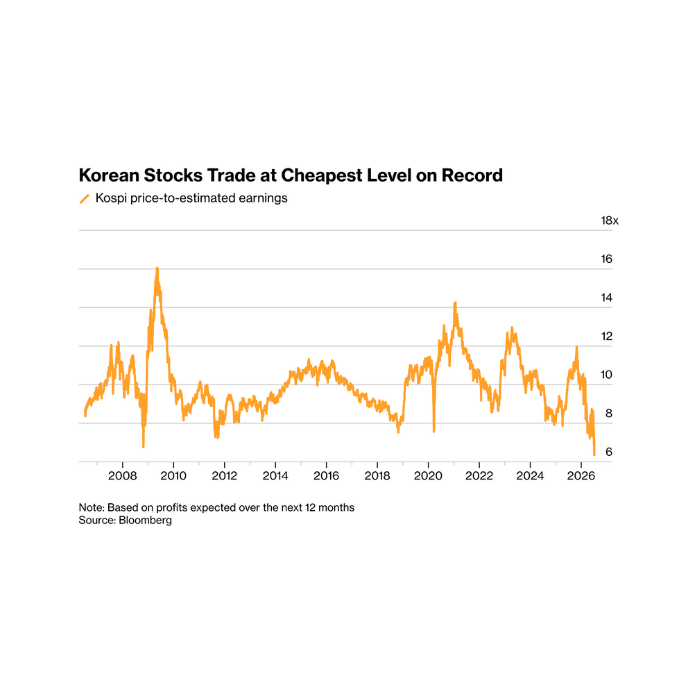
儘管 KOSPI 目前的本益比已跌到 6.4 倍,低於 2008 年金融海嘯時的水準,但這個「便宜」是有陷阱的——因為市場不相信半導體的高獲利能夠持續。記憶體晶片本就是暴漲暴跌的產業,分析師隨時可能調降獲利預估。
槓桿的殘酷真相
韓國散戶在這波多頭市場中大量使用融資。截至 6 月初:
- 三星電子融資餘額:4,255 億韓元
- SK 海力士融資餘額:3,530 億韓元
- 部分半導體 ETF 的融資占比高達 70%
當市場修正時,高槓桿帶來的不只是更大的虧損,而是「被迫在最差的時間點賣出」。
更極端的例子是 KORU(Direxion 三倍做多韓國 ETF),上半年漲幅一度超過 500%,但在這波修正中跌幅同樣以三倍計算——光今天一天就跌了接近 27%。
 圖片:KOSPI 本益比跌至金融海嘯以下,但市場正經歷結構性脆弱性的全面爆發。(來源:BullTheoryio / Twitter)
韓國為何特別脆弱?
韓國股市的結構性問題在今天的暴跌中完全暴露:
1. 極度集中於半導體:三星和 SK 海力士兩檔股票就占 KOSPI 超過一半權重,加上相關 ETF 和衍生商品,它們驅動了韓國約 70% 的交易量。 2. 散戶主導+融資狂熱:韓國散戶的市場參與度在已開發國家中名列前茅,且極度偏好融資交易,這增加了市場的系統性風險。 3. 地緣政治脆弱性:韓國經濟高度依賴中東原油進口和半導體出口,中東局勢動盪對韓國的衝擊比其他亞洲市場更大。 4. 外資進出劇烈:當市場情緒反轉,外資可以在極短時間內撤離大量資金,今天的賣壓就是最好的證明。 圖片:美國科技基金在暴跌前湧入創紀錄資金,高漲的情緒在脆弱的市場結構中特別危險。(來源:Kobeissi Letter / Twitter)
給投資人的提醒
韓國今天的黑色星期一,不只是一次市場修正,而是對所有投資人的一堂風險課:
1. 槓桿的雙面刃——多頭時放大獲利很迷人,但反轉時它會讓你被迫在最差的時間點出場
2. 集中的市場特別脆弱——當少數幾家公司決定整個國家的股市命運,任何風吹草動都會被放大
3. 地緣政治風險無法迴避——在中東局勢不確定時,暴露在相關風險中的市場震盪會更猛烈
4. 融資餘額是關鍵指標——當全民都在借錢買股票,就該提高警覺了
常見問題 (FAQ)
今天 KOSPI 跌了多少?
2026 年 7 月 13 日,KOSPI 收跌 8.95%,報 6,806.93 點,跌破 7,000 點心理關卡。
今天觸發熔斷了嗎?
是的。下午 1 點 28 分觸發熔斷(circuit breaker),全面暫停交易 20 分鐘。這是 KOSPI 今年第 7 次熔斷。
為什麼韓國今天跌這麼重?
三個原因疊加:中東局勢升溫(伊朗與美國緊張)、外資大規模撤離(上週五已拋售 1.8 兆韓元)、以及散戶融資斷頭的連鎖反應。
SK 海力士跌了多少?
SK 海力士收跌 15.37%,從 6 月 25 日歷史高點已回撤約 38%。
今天跟 7 月 7 日那次下跌有什麼不同?
7 月 7 日是 AI 股估值過高引發的獲利了結(KOSPI 跌 8.18%,收 7,392),而 7 月 13 日是中東局勢+外資逃離+融資斷頭三合一衝擊,跌幅更大(8.95%),收盤跌破 7,000 點。
韓國股市今年到底發生什麼事?
KOSPI 從上半年漲 122%(全球最佳之一),到 25 天內暴跌 27%,年內觸發 7 次熔斷。本益比跌至 6.4 倍(低於 2008 年),但市場不相信獲利能持續。
外資撤離韓股的規模有多大?
7 月 12 日(上週五)上午,外資在單一上午拋售約 1.8 兆韓元,同時觸發 KOSPI 和 KOSDAQ 的熔斷機制。今天的賣壓進一步擴大。
韓國股市的融資問題有多嚴重?
三星電子融資餘額超過 4,200 億韓元,SK 海力士超過 3,500 億韓元,部分半導體 ETF 融資占比高達 70%。
標籤: #韓國股市 #KOSPI #黑色星期一 #熔斷 #中東緊張 #外資撤離 #融資斷頭 #三星電子 #SK海力士 #半導體
留言
張貼留言