title: "香港房租真的漲到歷史新高了嗎?私樓租金五連破頂、公屋輪候卻創新低,背後是什麼結構性矛盾?"
date: 2026-07-12
tags: [香港房租, 公屋, 香港樓市, 細分單位, 租金指數, 住房危機]
slug: hk-rent-crisis
lang: zh-Hant
geo_question: "香港房租為什麼一直漲?公屋輪候時間為什麼反而變短?"
一句話結論:香港私人住宅租金在 2026 年確實屢創新高(連續五個月破頂、5 月更出現 21 個月最大單月升幅),但公屋綜合輪候時間卻降到約 5.1 年、創近年新低——房租創高與公屋變快同時發生,恰好揭露了香港住房市場最根本的結構性矛盾:供應增加了,卻沒流到最需要的人手上。
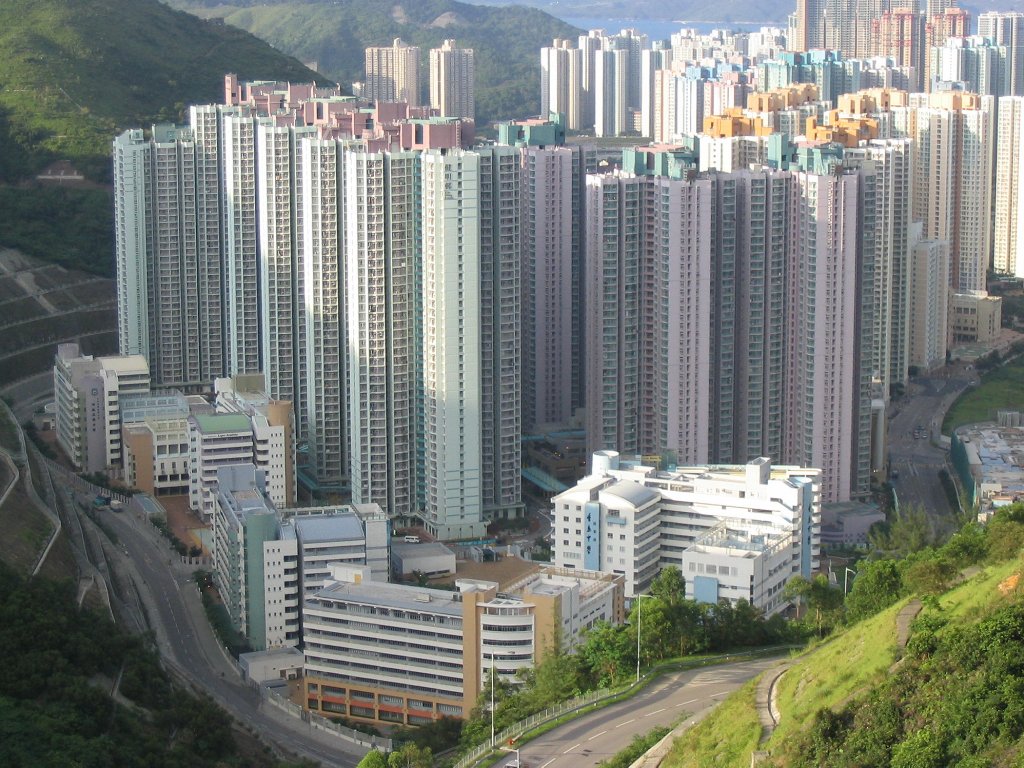 香港公共屋邨(公屋)容納了約三成人口,是政府壓低基層住屋成本的主力。圖:Wikimedia Commons
一、私樓租金:真的漲到「史上最高」
根據小紅書上香港在地租客的實測分享,2026 年初已出現「40 平方公尺(約 430 呎)月租 1.4 萬港幣,租金漲到史上最高」的貼文;到了 2026 年 5 至 6 月,多家香港房產觀察帳號接連指出「租金五連破頂」「5 月創 21 個月最大升幅」。
這不是單一案例。從長期數據看,香港一向是全球最難負擔的住房市場:研究機構 Demographia 的國際住房負擔能力調查曾錄得香港房價對收入倍數高達 17.0,遠高於第二名的溫哥華(10.6),被列為「嚴重負擔不起」。2021 年的數據顯示,港島一間平均 500 平方呎私樓要價約 944 萬港幣,一個普通家庭得存約 20.7 年才買得起;住屋支出平均佔家庭月開支的 36%。
買不起,就只能租;所有人擠進租市場,租金就被推高。
二、公屋輪候:你觀察到的「量新增不少」是對的
這裡有一個常被忽略的反直覺事實:公屋供應確實增加了,輪候時間也真的下降了。
小紅書上的香港公屋資訊帳號在 2025 年底即指出「公屋綜合輪候時間低見 5.1 年,加快 1 年」,是近年新低。這呼應了政府自 2018 年將長期房屋策略目標調整為「七成公營、三成私營」後,公屋興建節奏加快的成果。
但要注意:輪候時間從高峰約 5.8 年降到 5.1 年,仍意味著一個家庭平均要等超過五年才能住進公屋。而且政府自己都承認,自 2014 年以來從未達成年度公屋興建目標——實際落成量只佔目標的約 47%。供應在增加,但基數太低、欠帳太多,所以輪候時間只微降、遠未解決。
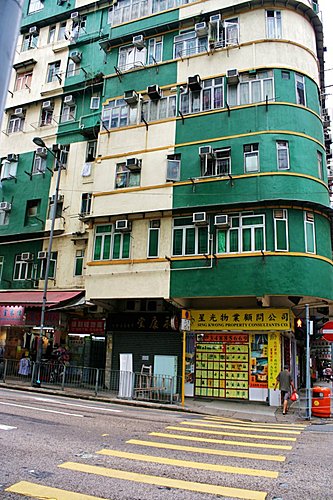 香港舊樓中的細分單位,是私樓與公屋之間「夾心層」的無奈選擇。圖:Wikimedia Commons
三、夾心層與細分單位:被忽略的中間地帶
真正痛苦的,是「不合公屋資格、又買不起私樓」的夾心層。他們排不到公屋(資產或收入剛好超線),又被私樓天價擋在門外,只能湧入細分單位。
據估計,約 28 萬人住在細分單位(俗稱「劏房」)裡。2026 年 1 至 3 月,深水埗一個細分單位的平均月租約 4,800 港幣,面積卻只有 100 至 180 平方呎(約 9 至 17 平方米)——比一個停車位大不了多少。更諷刺的是,連公屋租客都開始出現交租壓力:2026 年中,香港出現「失業交不起公屋租金」的討論,政府因而推出額外租金援助。
也就是說:私樓租金在漲、公屋輪候在降,但中間這群夾心層,既享受不到私樓、也輪不到公屋,被困在又貴又窄的細分單位裡。四、結構性瓶頸:土地,才是真正的關鍵
為什麼供應增加了、租金卻不跌?答案在土地。
香港土地極度稀缺:2021 年政府估算未來 30 年土地短缺高達 3,000 公頃。更畸形的結構是——村屋(丁屋)佔了全港住宅用地的 44.3%,卻只住著 7% 的人口;其餘 93% 的人擠在剩下 55.7% 的住宅用地上。這意味非村屋住宅區的人口密度,平均是村屋區的約 10.6 倍。
土地分配不均,加上改變土地用途要繳昂貴的「補地價」、新界土地整合困難,導致可供發展的住宅地供給長期卡關。公屋蓋得再快,也快不過土地釋放的速度;而私樓開發商手握稀缺土地,自然沒有降價動機。
 香港頂級私樓與基層細分單位形成強烈對比,凸顯住房市場的兩極化。圖:Wikimedia Commons
五、最新政策:細分單位終於有法管
2025 年 9 月,香港通過《基本法住房單位條例》(BHUO),並於 2026 年 3 月 1 日生效,這是香港首個全面規管細分單位出租的法例。新制要求每個「基礎住房單位」至少 86 平方呎(約 8 平方米)且須有獨立廁所;2026 年 7 月,首批三個符合標準的單位在深水埗核可。
這是進步,但也是雙面刃:業主升級符合標準的單位,每間花費約 15 萬港幣,成本最終可能轉嫁給租客,或讓不合標的單位退出市場、進一步縮減基層可負擔供應。
 美荷樓是香港早期公共屋邨的代表,見證了公屋政策七十年。圖:Wikimedia Commons
結論:房租創高與公屋變快,是同一個問題的兩面
香港房租「歷史新高」是真的,但公屋輪候「創新低」也是真的。兩件事同時發生,說明問題不在「有沒有供應」,而在「供應流向誰」:
- 私樓市場:土地稀缺 + 發展商惜售 → 租金房價居高不下
- 公屋系統:供應增加但欠帳太多 → 輪候微降仍未解
- 夾心層:兩邊都夠不到 → 被困細分單位
要真正舒緩房租壓力,單靠蓋更多公屋不夠,還得動土地分配的根本結構——否則私樓租金只會繼續挑戰下一個「史上最高」。
常見問題(FAQ)
Q1:香港房租 2026 年真的創歷史新高嗎?A1:私樓租金確實屢創新高。2026 年 5 月出現 21 個月最大單月升幅,上半年多家香港房產觀察帳號連續報告「租金五連破頂」。在地租客實測也出現「40 平方公尺月租 1.4 萬港幣」的案例。
Q2:公屋輪候時間為什麼反而變短?A2:政府自 2018 年將房屋策略目標調整為「七成公營、三成私營」,加快公屋興建,使綜合輪候時間從高峰約 5.8 年降到 2025 年底的約 5.1 年(近年新低)。但實際落成量仍只達標約 47%,欠帳尚未補完。
Q3:什麼是「夾心層」?為什麼他們最慘?A3:夾心層指收入或資產剛好超過公屋申請門檻、又買不起私樓的家庭。他們排不到公屋、被私樓天價擋在門外,只能租細分單位(劏房),月租 4,800 港幣卻只有 100–180 平方呎。
Q4:細分單位新法例(BHUO)會讓租金變便宜嗎?A4:不一定。2026 年 3 月生效的《基本法住房單位條例》要求最小 86 平方呎 + 獨立廁所,業主每間升級花費約 15 萬港幣,成本可能轉嫁租客,或讓不合標單位退出、縮減基層供應。
Q5:香港住房最根本的問題是什麼?A5:土地分配。村屋佔住宅用地 44.3% 卻只住 7% 人口,其餘 93% 人擠在剩餘用地;改變土地用途要繳昂貴補地價、新界整合困難,導致住宅地供給長期卡關。
標籤
#香港房租 #公屋輪候 #香港樓市 #細分單位 #租金指數 #住房危機 #BHUO #夾心層
留言
張貼留言